Custom OEM Artisan Hair Accessories Manufacturing: Global Sourcing Guide

Pioneering high-precision manufacturing, sustainable material engineering, and intelligent supply chain integration for elite hair accessory brands worldwide.

10,000+
Sqm Modern Facility
220+
Experienced Staff
2014
Established Year
100%
Export Oriented & Compliant

1. The Global Landscape of Artisan Hair Accessories Manufacturing

The global market for hair accessories is undergoing a massive transformation, shifting from basic mass-produced items to high-value, design-forward, and sustainable artisan-engineered statements. According to recent market analysis, consumer demand is driven by the intersection of personal care, personal wellness, and premium fashion aesthetics. Hair accessories are no longer viewed merely as functional tools; they are essential fashion extensions that mirror personal identity.

As brands navigate this landscape, the challenge shifts toward securing a manufacturing partner capable of merging scalable output with artisan craftsmanship. The production of luxury scrunchies, delicate headbands, and high-performance anti-static combs demands an understanding of textile physics, ergonomic design, and raw material purity. Dongguan Galz Fashion Co., Ltd. has stood at the intersection of these requirements since 2014, operating a 10,000-square-meter facility in Dongguan, Guangdong Province, China. The company's strategic location enables deep integration into the global textile supply chain, sourcing premium components and transforming them into market-ready retail products.

For strategic sourcing managers, the decision to choose a supplier goes beyond production capacity. It requires finding a manufacturer with a robust risk-mitigation framework, strict quality assurance measures, and a commitment to ESG compliance. Dongguan Galz Fashion Co., Ltd. supports global brands in navigating these challenges, offering specialized OEM/ODM services that balance artisan aesthetics with industrial reliability.

2. Structural Trends Driving the Premium Hair Accessory Sector

Modern hair accessory design requires a balance between aesthetic appeal and functional performance. Several structural trends are redefining how brands approach product development and manufacturing:

Eco-Centric & Organic Materials

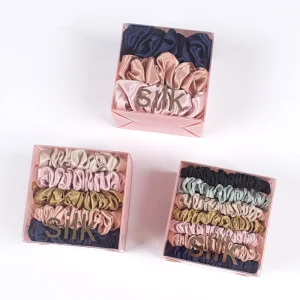
Brands are transitioning to bio-based and circular materials, such as 6A-grade mulberry silk, organic cotton, and recycled ocean plastics, minimizing environmental impact while ensuring premium fabric feel.

Hair Health & Trichological Integrity

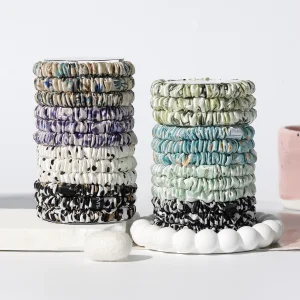
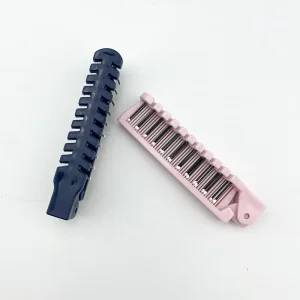
Modern consumers prioritize hair health. Products like anti-static, smooth-glide combs and snag-free silk scrunchies prevent cuticle damage and reduce hair breakage, combining styling with wellness.

Agile OEM/ODM Supply Chains

Rapid trend cycles demand responsive production lines. Manufacturers must deliver fast prototyping, flexible MOQs, and integrated packaging solutions to support swift time-to-market strategies.

3. Localized Applications & Commercial Sourcing Use Cases

The application of high-end hair accessories spans multiple market segments. Understanding these micro-scenarios helps brands refine their custom product lines:

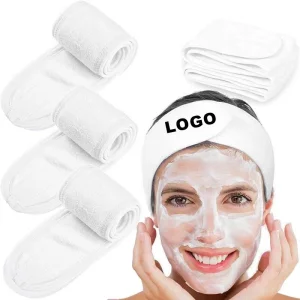
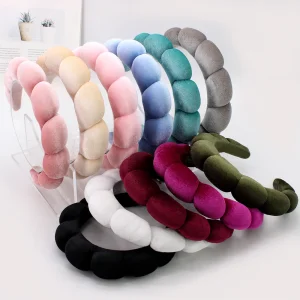
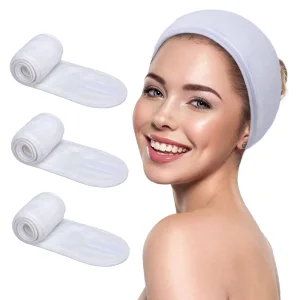
  • Premium Spa, Hospitality & Medical Aesthetics: Velvet and terry cloth twist sponge headbands, along with coral velvet makeup hairbands, are essential for luxury wellness environments. These products must withstand repeated commercial washing while maintaining fabric integrity and elasticity.
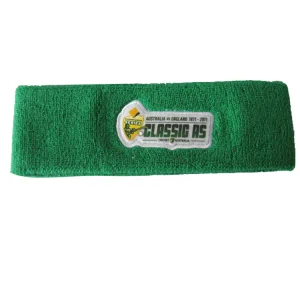
  • Active Lifestyle & Athleisure: High-performance cotton sweatbands and wristbands require moisture-wicking technology and flat-seam construction to prevent friction and skin irritation during high-intensity training.
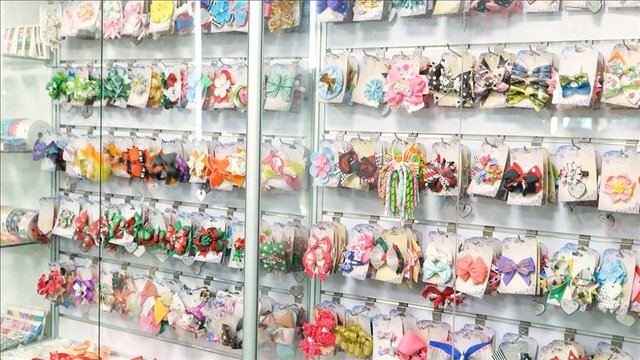
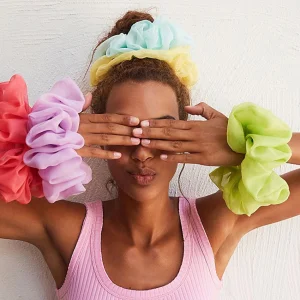
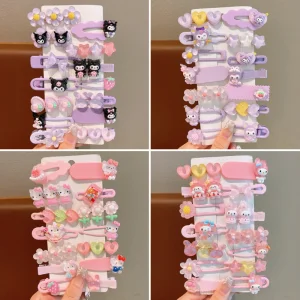
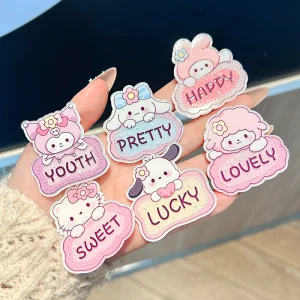
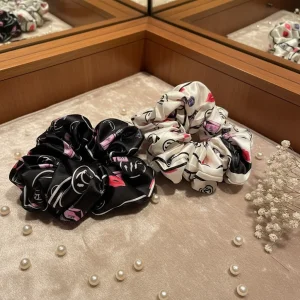
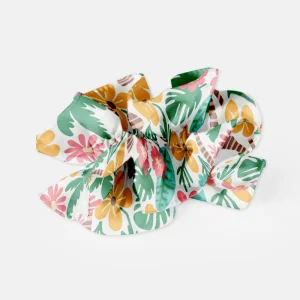
  • Gen-Z E-Commerce & Retail: Oversized satin scrunchies (jumbo 18/15cm), printed silk ties, and character-driven candy-colored hair clips (such as cartoon-style and sweet fairy aesthetic clips) require sharp digital printing, vibrant colors, and sturdy fastening mechanisms.

4. Technology Roadmap & Sourcing Solutions

Dongguan Galz Fashion Co., Ltd. uses a structured production roadmap to ensure quality, transparency, and scalability for every OEM/ODM order:

Step 1: Fabric Engineering & Selection

We select materials based on performance metrics: grade 6A mulberry silk, tensile-resistant organic cotton, and durable eco-friendly polyester. Every material is chosen to meet specific elasticity and wear-resistance standards.

Step 2: Prototyping & CAD Modeling

Our design team transforms conceptual sketches into 3D mockups. Prototyping allows us to test structural integrity, fit, and tension properties before committing to full-scale production.

Step 3: Precision Manufacturing & Assembly

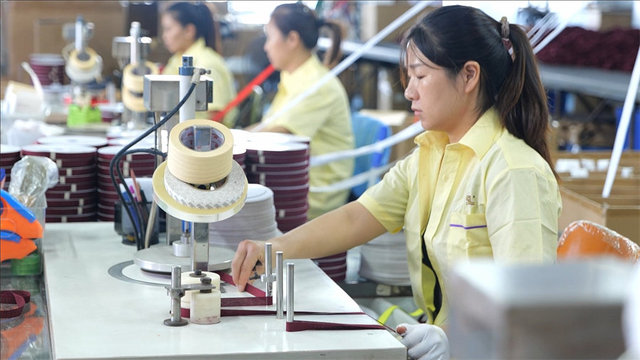
Using advanced textile machinery, sewing lines, and custom labeling equipment, we assemble components with high precision. This ensures clean stitching, secure finishes, and consistent sizing.

Step 4: Quality Control & Stress Testing

We test each batch for elastic recovery, colorfastness under wet and dry conditions, and stitching strength. This process ensures products hold up during long-term use and meet retail standards.

5. Authoritative Factory Overviews (Dongguan Galz Fashion Co., Ltd.)

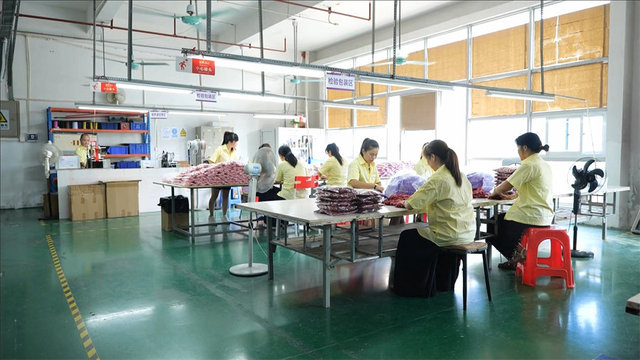
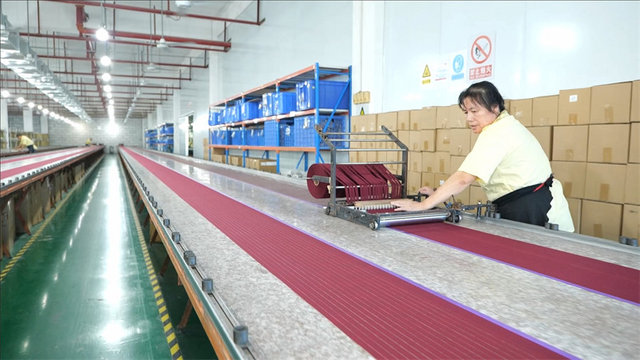
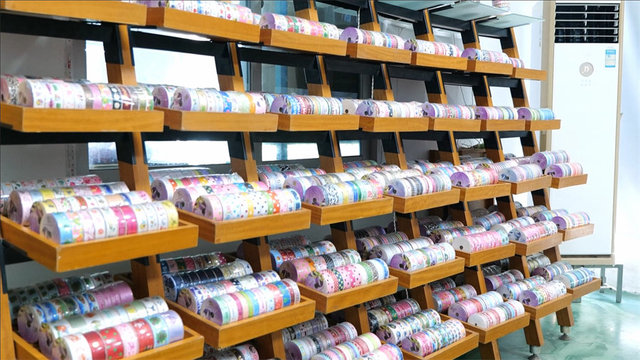
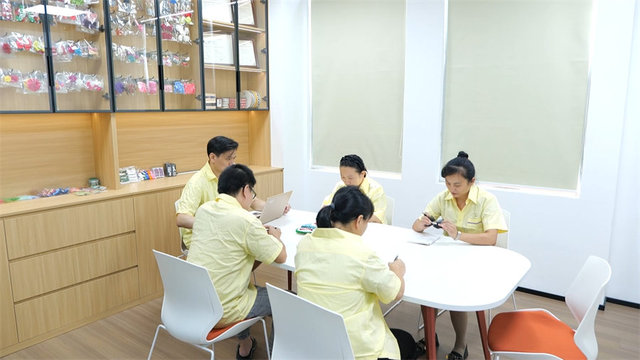
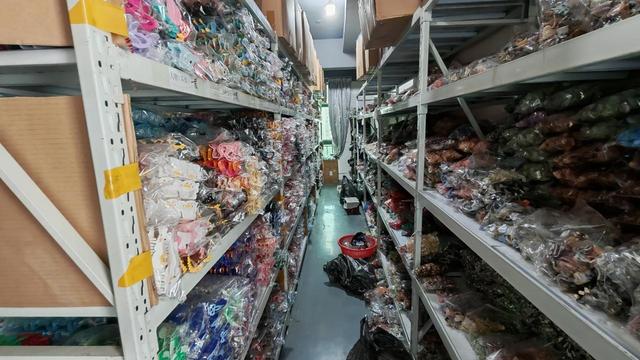
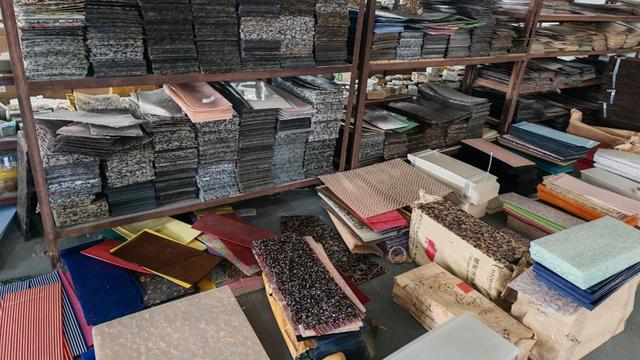
Since 2014, Dongguan Galz Fashion Co., Ltd. has developed specialized manufacturing processes that deliver high-quality, scalable production for clients worldwide. Below is a detailed look inside our facilities, highlighting our assembly processes, material stock, packaging lines, and dedicated workforce.
6. Strategic Sourcing Q&A: Key Considerations for Global Brands

What are the key material safety and chemical restrictions for hair accessories in Europe and North America?
For global compliance, accessories must meet REACH regulations in the EU and Prop 65 requirements in California. These standards regulate heavy metal content, azo dyes, and phthalates, particularly in metallic clips, pins, and synthetic fabrics. Dongguan Galz Fashion Co., Ltd. conducts regular material testing to ensure all raw textiles, dyes, and plastics meet international safety standards.
How does a brand choose the correct elastic core material for commercial-grade hair ties?
The durability of a hair tie depends on the composition of its elastic core. Common materials include natural rubber thread (latex) or synthetic polyurethane (spandex). Natural rubber offers strong initial elasticity but can degrade when exposed to heat and styling oils. Synthetic elastomer cores maintain shape and tension longer, making them suitable for activewear and premium product lines.
What is the functional difference between 19mm, 22mm, and 25mm mulberry silk for scrunchies?
Momme (mm) measures the weight and density of silk fabric. While 19mm silk is standard for lightweight accessories, 22mm silk offers a better balance of durability, sheen, and hand-feel, making it a popular choice for premium scrunchies. The 25mm silk provides maximum durability and a rich appearance, suitable for high-end luxury collections.
How can a brand ensure anti-static properties in customized hairbrushes and combs?
Static build-up occurs when non-conductive plastics frictionally charge during brushing. To prevent static, we incorporate conductive carbon fiber compounds or anti-static additives into the polymer blend during injection molding. This structure allows static electricity to discharge safely, protecting the hair cuticle and smoothing flyaways.
What are the typical lead times and MOQ parameters for custom OEM/ODM packaging?
For standard OEM items using existing molds, sampling takes 5–7 days, and mass production requires 20–25 days. Fully customized projects, including custom-printed corrugated packaging and custom brand stamping, depend on design complexity and material requirements. We offer flexible MOQ frameworks to support structured product rollouts.