Engineered for the demanding Japanese luxury and premium lifestyle markets, prioritizing strict fiber density, seam strength, and high elasticity.
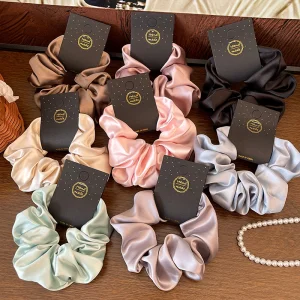
The Japanese hair accessory and personal grooming market is undergoing a structural transformation. For decades, the market was dominated by low-cost plastic hair ties and basic elastics. However, in the post-pandemic landscape, shifts in consumer behavior—specifically driven by the wellness movement, beauty-sleep trends, and the protection of damaged hair—have generated massive demand for premium, friction-reducing fabrics. Satin and pure mulberry silk have quickly transitioned from niche boutique products into mainstream consumer essentials across cities like Tokyo, Osaka, Kyoto, and Nagoya.
In response to these trends, Japanese enterprise buyers, cosmetics conglomerates, and boutique fashion labels are restructuring their procurement strategies. To remain competitive in Japan's hyper-selective retail market, businesses must offer high information gain and undeniable product quality. This whitepaper analyzes the current commercial landscape, supply chain optimization pathways, manufacturing compliance requirements, and localization protocols necessary for successfully importing and selling high-end satin hair accessories in Japan.
According to search volume patterns and user intent mining from Japanese search engines (Yahoo! Japan and Google JP), modern B2B buyers search for terms like "シルク シュシュ OEM" (Silk Scrunchie OEM), "サテン ヘアアクセサリー 仕入れ" (Satin Hair Accessories Sourcing), and "小ロット オリジナル 髪留め" (Small-lot Original Hair Ties). These queries indicate highly specific commercial intents:
By analyzing these search behaviors, brands can design product packages that directly address these concerns, highlighting features like washability, durable elasticity, and custom eco-friendly packaging boxes that appeal to the sophisticated presentation aesthetic valued in Japanese culture.
Ensuring fiber tensile strength and shrinkage limits conform precisely to Japanese Industrial Standard specifications for apparel and household goods.
Engineered core elastics with high elongation recoveries, wrapped inside friction-free double-barrier satin weaves to protect the hair shaft.
Seamless customs clearing under the Regional Comprehensive Economic Partnership, providing lower tariffs for materials moving between China and Japan.
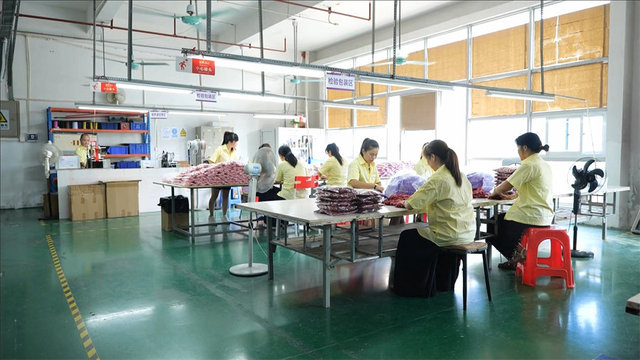
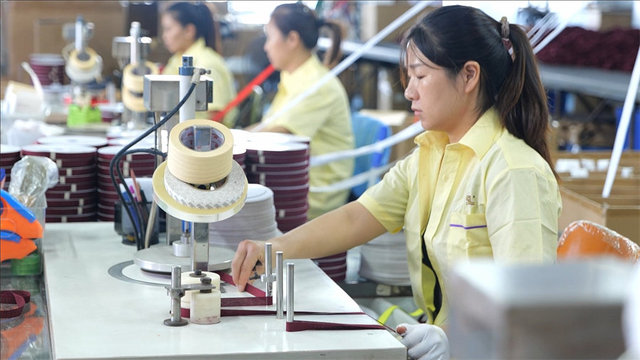
Established in 2014, Dongguan Galz Fashion Co., Ltd. is a professional manufacturer specializing in hair accessories, fashion accessories, and customized beauty accessory solutions. Located in Dongguan, Guangdong Province, China, the company operates a modern manufacturing facility covering approximately 10,000 square meters and employs more than 220 experienced staff members across product development, production, quality control, and international sales departments.
Galz Fashion focuses on the design, development, and production of hair ties, scrunchies, hair bands, headwear accessories, fabric hair accessories, elastic beauty accessories, and fashion-related personal care products. Serving global brands, wholesalers, retailers, distributors, and e-commerce businesses, the company provides comprehensive OEM and ODM manufacturing services tailored to diverse market requirements.
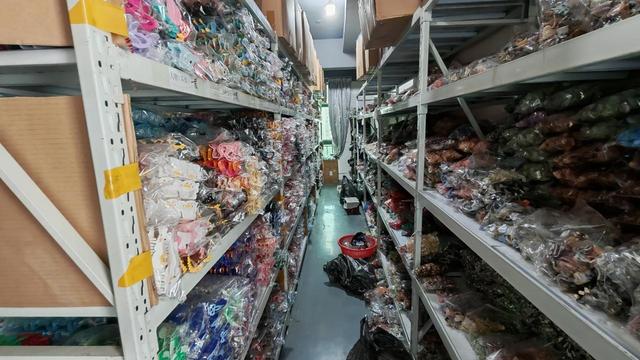
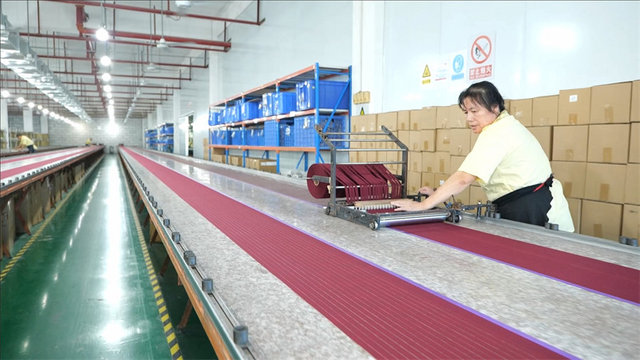
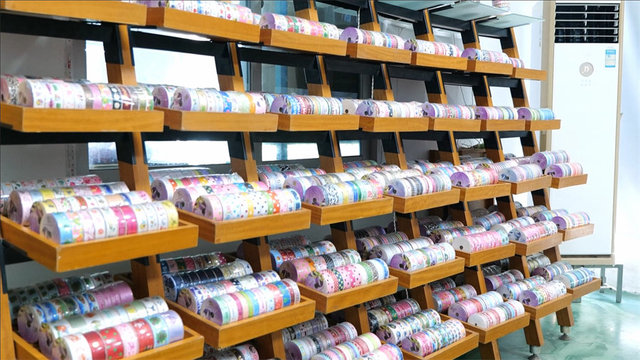
The factory is equipped with advanced textile processing equipment, sewing production lines, logo customization systems, and packaging facilities that support efficient and scalable production. By carefully selecting fabrics, elastic materials, decorative components, and environmentally conscious packaging materials, Galz Fashion strives to meet evolving consumer preferences and international quality expectations.
With an experienced product development team, the company offers flexible customization options including material selection, colors, patterns, logo application, packaging design, and private-label product development. From concept creation to mass production, Galz Fashion works closely with customers to deliver products that align with brand positioning and target market demands.
Today, Dongguan Galz Fashion Co., Ltd. exports its products to North America, Europe, Australia, Southeast Asia, and other international markets. Through continuous investment in manufacturing technology, product innovation, and supply chain management, the company remains committed to providing reliable hair accessory manufacturing solutions and long-term partnership opportunities for global fashion and beauty brands seeking professional sourcing support from China.


Trading with Japanese counterparties requires meticulous documentation and rigid compliance with local laws. The regulatory environment for accessories in Japan centers on health safety and physical durability. Here are key regulatory requirements when importing satin and silk hair products:
Any textile accessory sold in Japanese retail stores must feature standard care labeling in Japanese. The labels must specify fiber content percentages, cleaning instructions (in compliance with JIS L 0001), and the country of origin. We help OEM partners by designing, printing, and sewing compliant wash labels directly during the production stage.
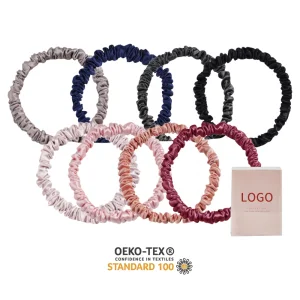
Under the Japanese Ministry of Health, Labour and Welfare (MHLW) guidelines, textiles designed for contact with human skin are strictly limited in terms of formaldehyde content. Infant products must register a 0.05 absorbance difference (essentially zero detection), and adult textiles must stay below 75 ppm. Our production lines use certified OEKO-TEX Standard 100 raw silk and Azo-Free low impact dyes, backed by SGS or Intertek laboratory reports.
A major risk for apparel and soft goods sold to department stores in Japan (such as Takashimaya, Mitsukoshi, or Isetan) is needle contamination. Our factory operates a strict "Double Needle Detector Policy". Each individual batch of scrunchies passes through dynamic Conveyor-type metal detectors before final cardboard packaging to prevent stray sewing needle fragments.
Luxury satin hair accessories are versatile items that bridge several premium retail sectors in Japan. Our manufacturing capability supports tailored customizations for different market segments:
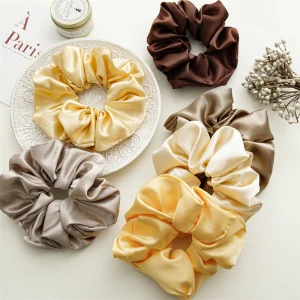
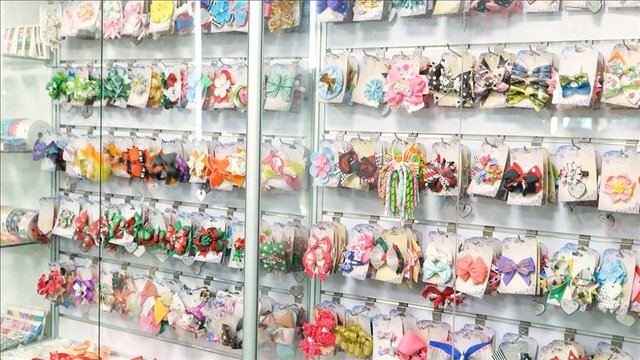
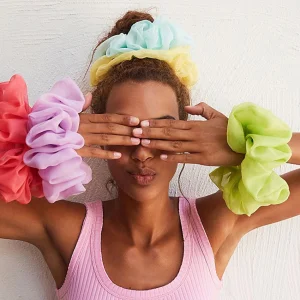
Explore our core catalog featuring high-grade silk, premium satin, floral prints, and oversized retro designs tailored for competitive global distribution.
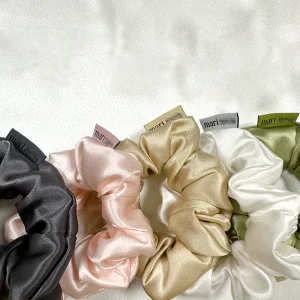
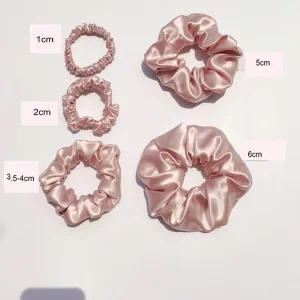
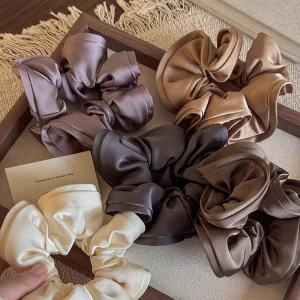
Key information regarding B2B purchasing, logistics, and quality assurance for our global and Japanese clients.
For standard customized colors and stock premium fabrics (such as high-grade satin polyester or Mulberry silk), the MOQ starts at 500 units per color. For custom custom dye-to-match (TPX Pantone colors) or specialized woven labels, the MOQ typically ranges between 1,000 to 2,000 units depending on the exact material weight and width.
We follow AQL 2.5 standards for quality control. Additionally, for Japanese orders, we accommodate third-party inspection firms (such as Nissenken, SGS, or QTEC) to verify fiber authenticity, dye migration safety, elastics elongation limits, and complete safety from metal particles prior to dispatch.
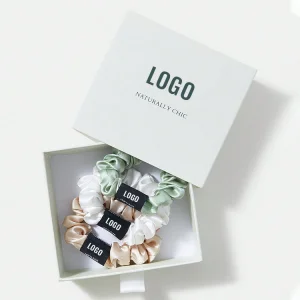
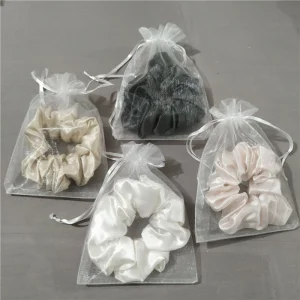
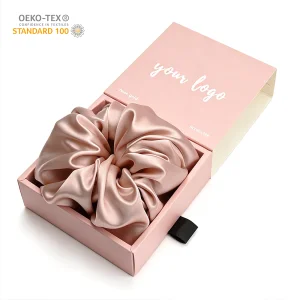
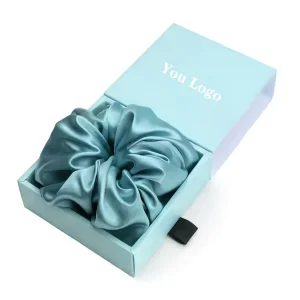
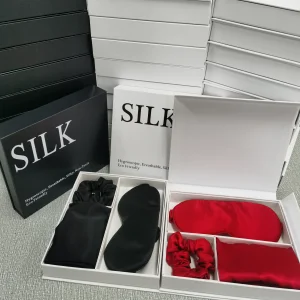
Yes. Packaging is critical in Japan. We offer fully integrated OEM packaging solutions, including premium cardboard slide boxes, embossed logo dust bags, and printed cards. All text can be pre-printed with Japanese characters, barcodes (JAN codes), and FSC-certified environmental labels.
Under the RCEP (Regional Comprehensive Economic Partnership), tariffs on apparel and select textile accessories exported from China to Japan are scheduled to undergo step-by-step reductions. We provide the Certificate of Origin (Form RCEP) to enable your customs brokers in Japan to apply for preferential tariff rates, optimizing your landed cost structure.
Leverage the structural advantages of our 10,000 sqm modern factory and optimize your supply chain with certified Japanese quality standards.
Send Inquiry Now Galz Fashion