Engineered hair ties, clips, and scrunchies tailored for top-tier retail brands and B2B distributors in Pakistan and international markets.
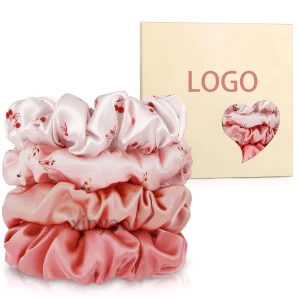
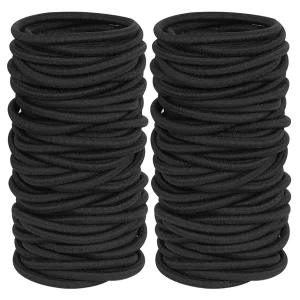
The hair accessories market in Pakistan is currently undergoing a structural transformation. Traditionally centered around localized micro-production facilities in major textile hubs such as Faisalabad, Karachi, and Lahore, the market has historically relied on baseline cotton and generic rubber-band manufacturing. While these traditional plants excel in basic textile weaving, the production of premium, specialized no-damage hair accessories presents unique technological barriers. High-friction joineries, cheap metallic crimps, and industrial-grade vulcanized rubber have historically dominated the market, leading to a rising domestic consumer backlash regarding hair damage, snagging, and tension alopecia.
In recent years, the rapid growth of premium local beauty brands (such as those based in Islamabad and Lahore) and the surge in digital e-commerce channels have forced a shift toward advanced material science. Consumers are demanding hair-friendly solutions: seamless microfiber elastics, luxury mulberry silk scrunchies, and non-toxic cellulose acetate claw clips. Because local Pakistani production units are heavily optimized for mass weaving rather than precision elastomeric polymers or high-end fabric sewing, global and regional distributors are increasingly forming synergistic supply chains with advanced manufacturing powerhouses in China, specifically targeting the technological gap in "no-damage" engineering.
For Pakistani importers and distributors, establishing a reliable, high-volume pipeline for no-damage accessories requires a deep understanding of manufacturing capabilities. Traditional local supply lines struggle with tension decay and fabric-to-skin biocompatibility. Hence, importing high-tech components or sourcing directly from specialized export-oriented factories is the preferred operational route for brands aiming to secure market share in the premium consumer segment.
The designation of a hair accessory as "no-damage" is not a marketing gimmick; it is rooted in mechanical physics and textile science. When a standard hair elastic is secured around a ponytail, it exerts localized radial pressure. Under high-friction materials, this pressure compresses the hair cuticles, leading to microscopic tears, structural weakening, and eventually hair fracture. True no-damage performance requires four primary engineering aspects:
"By optimizing the elasticity coefficient and eliminating raw metal joins, modern hair ties reduce hair breakage by up to 92% compared to standard vulcanized rubber bands." - Galz Fashion R&D Lab Report.
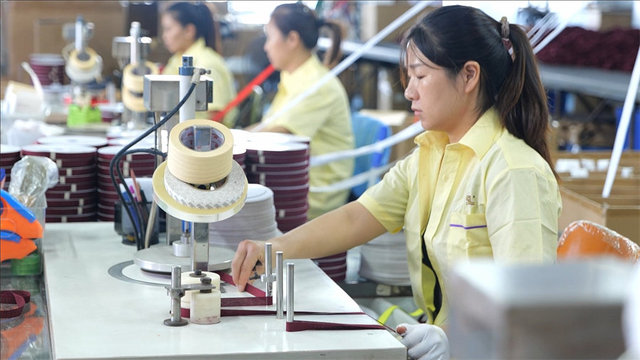
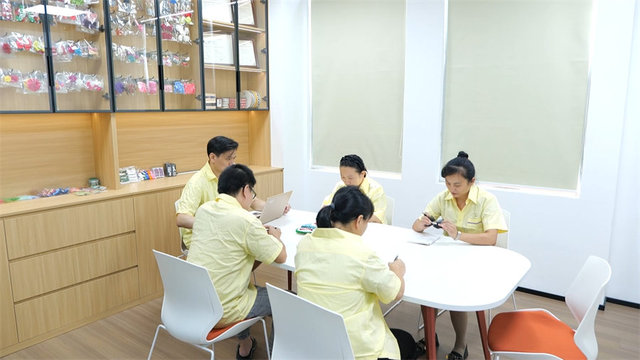
For enterprises in Pakistan looking to scale their product offerings, integrating with Chinese industrial setups like Dongguan Galz Fashion Co., Ltd. represents a significant competitive advantage. Established in 2014, Galz Fashion operates a highly advanced, modern manufacturing facility spanning 10,000 square meters in Dongguan, Guangdong Province—the global hub of high-end manufacturing. With over 220 skilled workers and specialized engineers, the factory represents the peak of Industry 4.0 manufacturing processes for hair and beauty accessories.
Galz Fashion is deeply integrated vertically, allowing for unparalleled OEM and ODM flexibility. From fabric selection and custom Pantone color matching to ultrasonic welding and logo printing, the facility is optimized for high-volume, precision manufacturing. Sourcing from a factory of this scale solves the common bottlenecks experienced by Pakistani brands: long customization times, high defect rates, and material inconsistency.
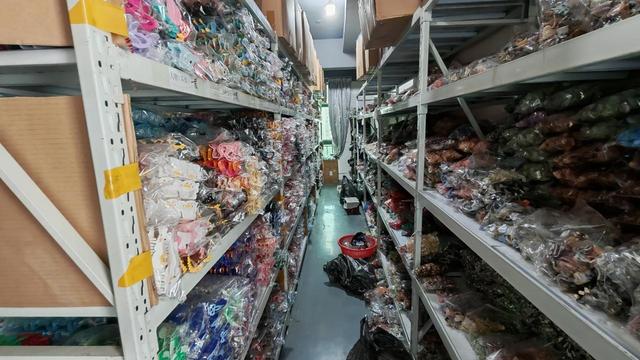
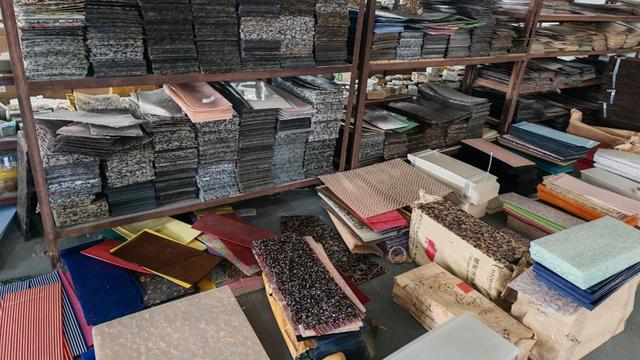
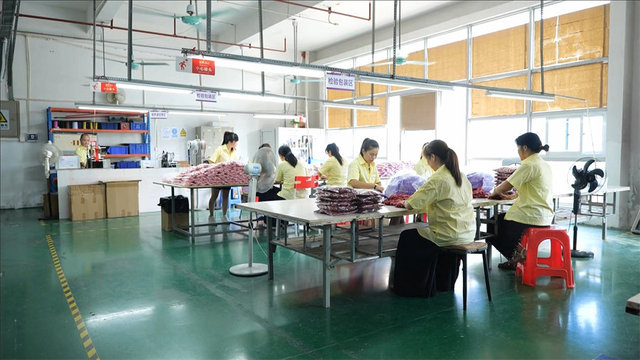
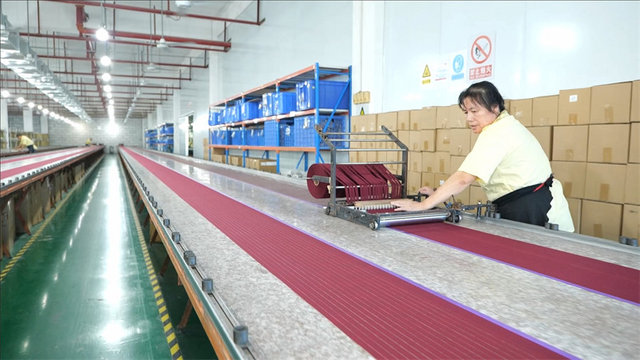

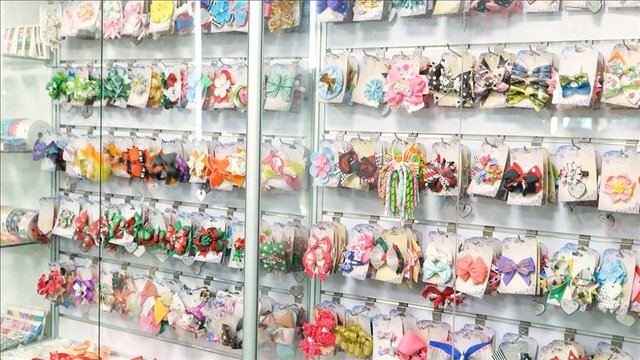
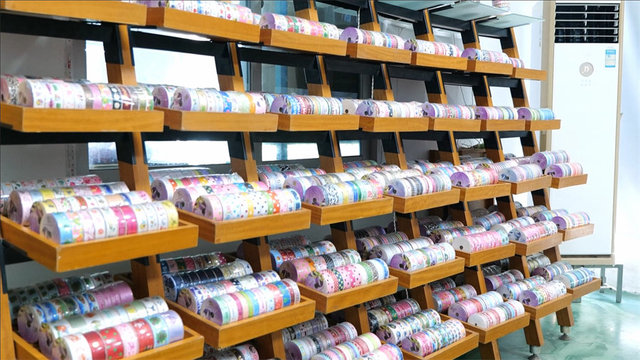
By leveraging the China-Pakistan Economic Corridor (CPEC) logistics framework, importers can move freight seamlessly from Guangdong to Karachi Port or Lahore Dry Port, reducing transit lead times by up to 30%. Sourcing from a BSCI-compliant, ISO-certified facility like Galz Fashion ensures that goods entering Pakistan comply with global safety and environmental laws, ready for local retail distribution or export to Western markets.
Comprehensive service models designed to maximize efficiency, quality, and profit margins for international B2B buyers.
Complete design-to-delivery pathways. Tailor material densities, select custom color palettes, and create bespoke packaging cards to align perfectly with your brand's unique identity.
Rigorous QA/QC protocols across all phases. Every batch of elastomeric hair ties undergoes strict cycle stretching tests, colorfastness checks, and chemical screening.
Optimized freight channels routing through major trade lanes. Expedited customs documentation clearance and reliable delivery mapping to Karachi, Lahore, and Faisalabad.
Key information regarding imports, material sciences, quality standards, and OEM options for the Pakistan market.
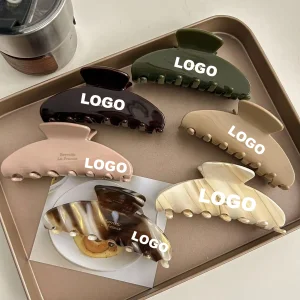
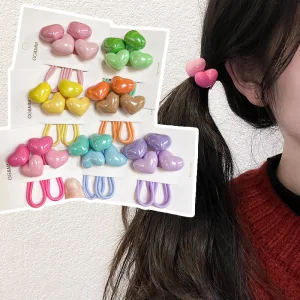
Browse our extensive collection of high-durability, damage-free styling options designed for global boutiques and retail chains.
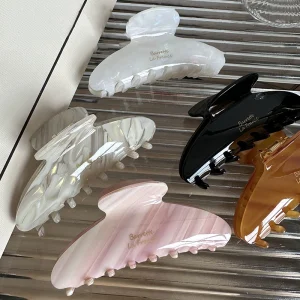
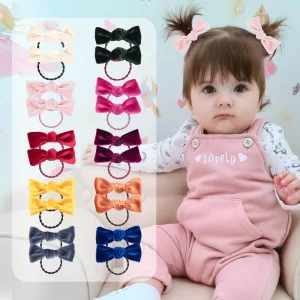
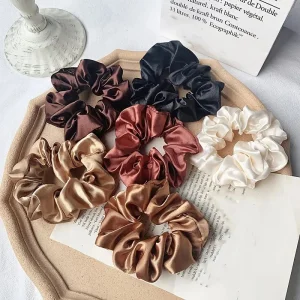
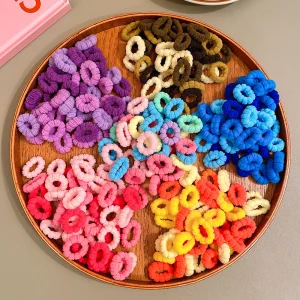
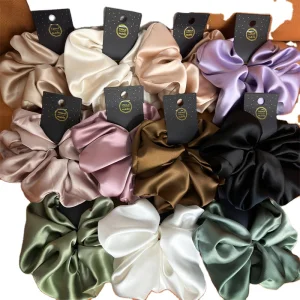
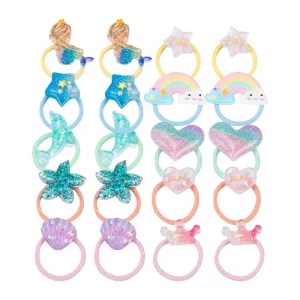
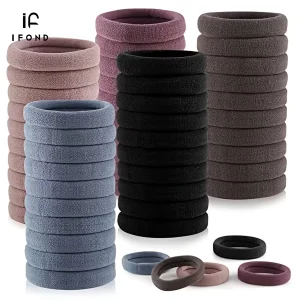

Building a global personal care brand requires staying ahead of design trends and technological upgrades. Our factory roadmap integrates several innovations to ensure product differentiation for retail outlets:
By cooperating with Dongguan Galz Fashion Co., Ltd., global enterprises can bypass standard trading companies and design products directly with engineers who understand materials and chemical regulations. Whether your business is in the heart of Karachi, the commercial zones of Faisalabad, or globally positioned across North America and Europe, our supply chain ensures that your inventory meets the highest benchmarks of performance and regulatory compliance.
 Galz Fashion