Direct supply line of wholesale styling utilities, salon-grade tools, and high-performance hair accessories.


Understanding the tectonic shifts in manufacturing bases, raw material supply lines, and trade routes.
The global hair accessories market has evolved from a fragmented, local craft-driven segment into a highly automated, multi-billion-dollar industrial supply chain. Historically, production hubs were concentrated in regional craft centers; however, modernization and optimization have consolidated operations into key high-performance corridors, primarily in coastal China (Guangdong, Zhejiang, and Shandong provinces), alongside emerging production clusters in Southeast Asia and South Asia.
According to current market intelligence, the worldwide demand for hair accessories is projected to grow at a compound annual growth rate (CAGR) exceeding 6.5% through 2030. This expansion is propelled by rapid changes in global fashion cycles, heightened e-commerce accessibility, and a significant shift in consumer preferences toward premium, high-durability products. Sourcing professionals must navigate complex regulatory landscapes, including compliance with REACH (EU) and California Proposition 65 (US) limits for heavy metals and chemical residue, particularly in materials utilizing plastics, metals, and textiles.
The industry is currently divided into two core operational philosophies: high-volume, low-margin automated production (often utilizing materials such as thermoplastic elastomers and injection-molded plastics) and highly flexible, high-value OEM/ODM manufacturing (which utilizes custom fabrics, organic materials, and hand-finished assemblies). In this environment, top-tier buyers look beyond mere unit pricing, prioritizing instead supplier capabilities such as design agility, production scalability, and compliance infrastructure.
A rigorous industrial framework for qualifying primary hair accessories exporters.
Top-tier exporters must possess valid ISO9001 quality management systems, BSCI (Business Social Compliance Initiative) social audits, and materials certifications ensuring safe, eco-compliant components.
The ability to convert a concept or 3D CAD design into a working sample within 3 to 5 business days is crucial for brands seeking to capitalize on rapidly changing viral trends.
Factories spanning over 5,000 square meters with dedicated divisions for textile weaving, injection molding, metal stamping, and clean packaging ensure stable production capacity.
Optimized logistics structures must offer guaranteed production lead times (ideally under 30 days) and robust supply chain integration to handle raw material price volatility.
Efficient customs clearance handling, automated tracking, DDP/CIF/FOB flexibility, and dedicated international sales coordinators specializing in multi-region regulatory compliance.
A modern standard-bearer for scalable, high-compliance hair accessory manufacturing in China.
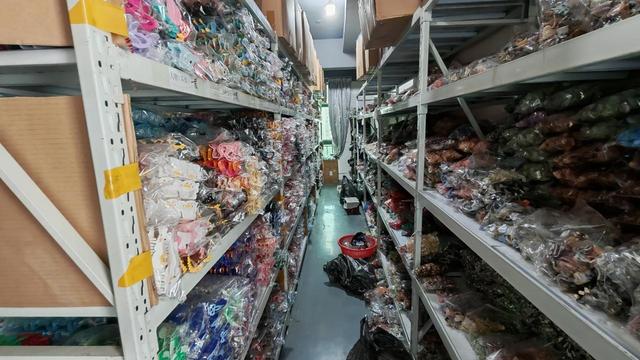
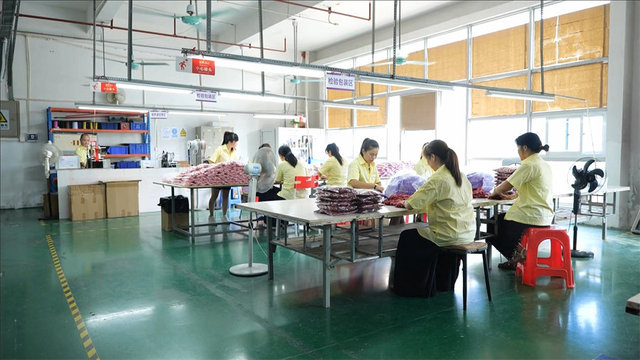
Established in 2014, Dongguan Galz Fashion Co., Ltd. is a professional manufacturer specializing in hair accessories, fashion accessories, and customized beauty accessory solutions. Located in Dongguan, Guangdong Province, China, the company operates a modern manufacturing facility covering approximately 10,000 square meters and employs more than 220 experienced staff members across product development, production, quality control, and international sales departments.
Galz Fashion focuses on the design, development, and production of hair ties, scrunchies, hair bands, headwear accessories, fabric hair accessories, elastic beauty accessories, and fashion-related personal care products. Serving global brands, wholesalers, retailers, distributors, and e-commerce businesses, the company provides comprehensive OEM and ODM manufacturing services tailored to diverse market requirements.
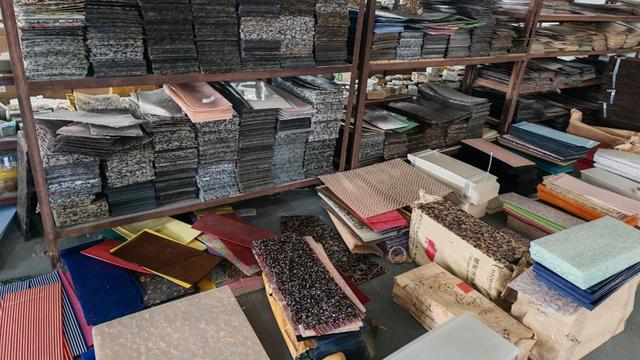
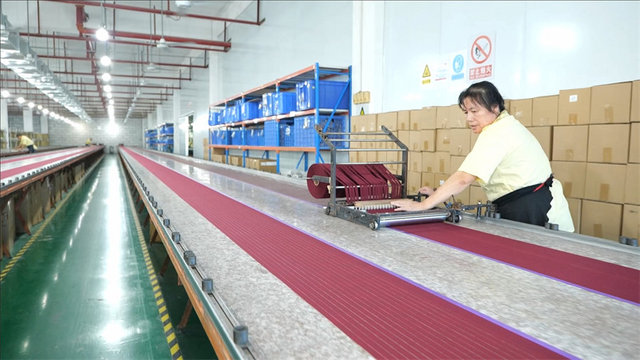
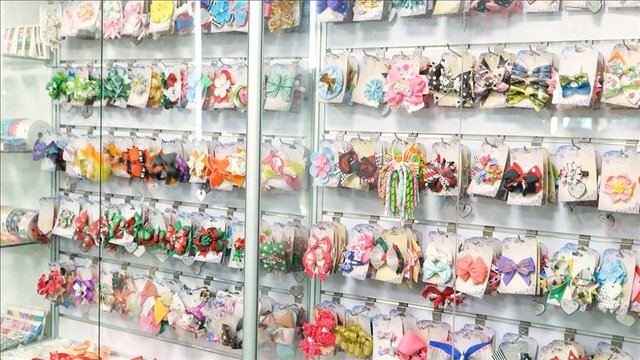
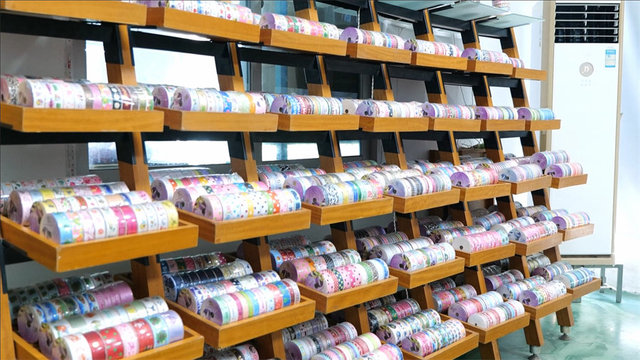
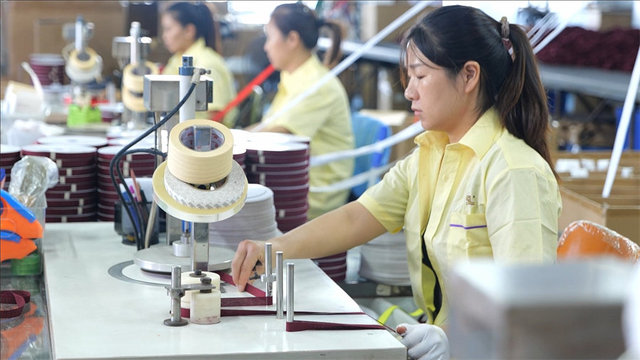
The factory is equipped with advanced textile processing equipment, sewing production lines, logo customization systems, and packaging facilities that support efficient and scalable production. By carefully selecting fabrics, elastic materials, decorative components, and environmentally conscious packaging materials, Galz Fashion strives to meet evolving consumer preferences and international quality expectations.
With an experienced product development team, the company offers flexible customization options including material selection, colors, patterns, logo application, packaging design, and private-label product development. From concept creation to mass production, Galz Fashion works closely with customers to deliver products that align with brand positioning and target market demands.
Today, Dongguan Galz Fashion Co., Ltd. exports its products to North America, Europe, Australia, Southeast Asia, and other international markets. Through continuous investment in manufacturing technology, product innovation, and supply chain management, the company remains committed to providing reliable hair accessory manufacturing solutions and long-term partnership opportunities for global fashion and beauty brands seeking professional sourcing support from China.


Analyzing key consumer trends, regional demand characteristics, and tailored sourcing solutions.
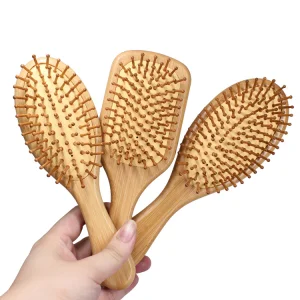
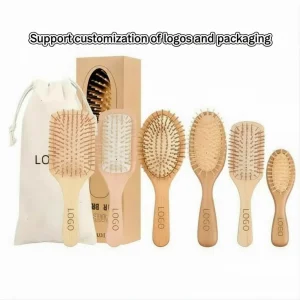
The push for sustainability is transforming the hair accessories sector. Consumers are demanding alternatives to conventional petroleum-derived plastics. This shift has accelerated the adoption of natural organic bamboo, cellulose acetate (made from wood pulp), and biodegradable PLA (polylactic acid) compounds. Brands can position themselves effectively by sourcing products like bamboo paddle brushes and biofriendly detangling combs, which combine structural integrity with environmental responsibility.
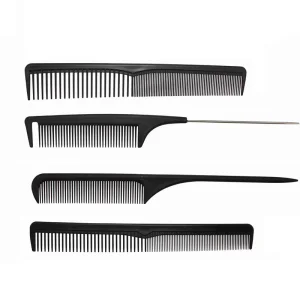
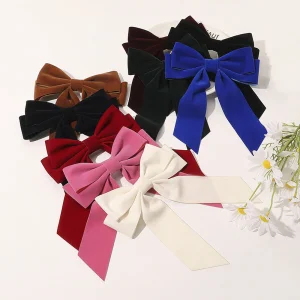
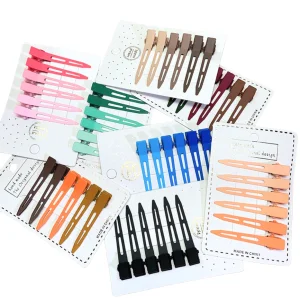
A key market distinction lies in product application. Professional salons require accessories that withstand heavy use, chemical exposure, and high temperatures. Sourcing carbon fiber comb composites, heavy-stretch seamless toweling ties, and high-tension sectioning clips meets the performance standards of stylists. Conversely, mass-market retail demands eye-catching designs, retail-ready custom display packaging, and rapid style rotation (such as velvet bowknot hairpins and themed scrunchies) to capture impulse purchases.
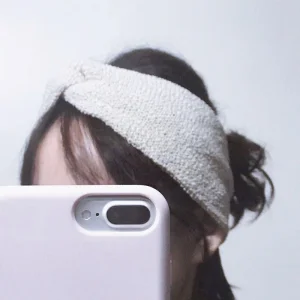
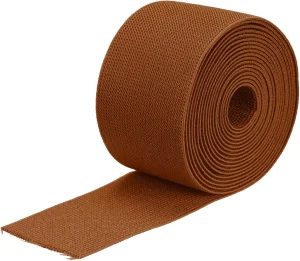
The rise of the "athleisure" trend has created a growing category for high-durability, sweat-resistant sports headbands and hair ties. In this segment, knit cross headbands, high-elasticity flat webbing bands, and seamless silicone-grip ties are designed to remain secure during intense activity. Sourcing these products requires testing for elastic fatigue limits, colorfastness to sweat, and moisture-wicking properties.
A comparative analysis of modern raw materials utilized by top-tier hair accessory manufacturers.
| Material Class | Common Applications | Tensile / Flexural Strength | Environmental Impact Profile | Primary Sourcing Target |
|---|---|---|---|---|
| Carbon Composite | Professional Barber & Salon Combs | Excellent | Low-medium recyclability; ultra-high durability reduces waste | High-temperature, anti-static professional styling tools |
| Natural Organic Bamboo | Paddle Brushes, Oval Combs | Sustainable | 100% Biodegradable, compostable, carbon-neutral crop source | Eco-conscious product lines and clean-beauty brands |
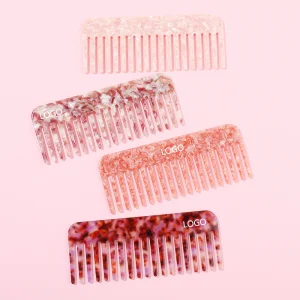
| Cellulose Acetate | Tortoiseshell Combs & Hair Claws | High Flex | Semi-synthetic polymer; biodegradable under specific conditions | Premium fashion clips, luxury pattern reproductions |
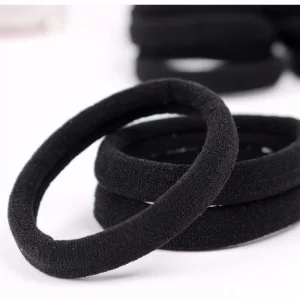
| Seamless Heavy Toweling | Thickened Elastic Hair Bands & Scrunchies | Ultra-Elastic | Durable nylon/polyester blend; washable and reusable | High-volume daily wear items, mass-market bundles |
| Bio-compatible Polymers | Detangling Cushions, Air-bag Combs | Optimized | Recycled post-consumer plastics, bio-resins | Mass production of detangling brushes and massage tools |
The future of production: automation, precision engineering, and responsive supply chains.
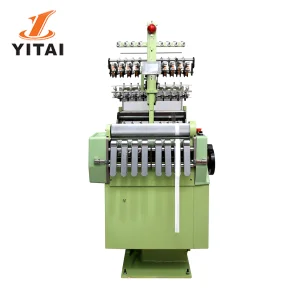
The hair accessories manufacturing landscape is transitioning from manual, labor-intensive assembly to automated precision systems. Advanced machinery, such as customizable elastic hairband making systems equipped with dedicated motors and engines, allows factories to produce thousands of pieces per hour with consistent quality. By minimizing manual intervention, manufacturers achieve precise dimensions, uniform elasticity, and reduced waste in webbing and fabric cutting.
Simultaneously, computer-aided design (CAD) and rapid prototyping tools are shortening product development cycles. What once took weeks of sample physical shipping can now be modeled digitally and verified via 3D printing. Top factories like Galz Fashion utilize this technology to offer fast turnaround times for customized logo applications and complex geometries, helping brands launch new styles ahead of their competitors.
Looking ahead, the integration of supply chain transparency tools (such as digital tracking from raw material to finished product) is set to become an industry standard. Enterprise customers increasingly require verifiable records demonstrating ethical labor sourcing and certified non-toxic dye usage. Sourcing partners who invest in these digital compliance systems will be well-positioned to maintain long-term partnerships with leading global brands.
Answers to critical questions regarding MOQ, quality control, shipping, and custom manufacturing.
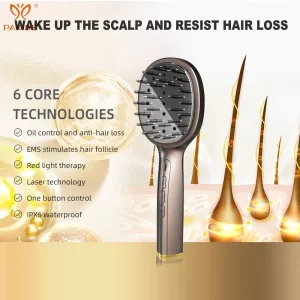
High-end cosmetic tools, organic bamboo styling ranges, and advanced hair growth systems.
 Galz Fashion