Hair ties play a significant role in hairstyling routines, but they often go unnoticed in terms of their damaging effects. According to a report from the American Academy of Dermatology, hair accessories can contribute to hair breakage, split ends, and traction alopecia. The question arises: how do hair ties damage hair? Many common styles involve tight pulls and constant friction. This can weaken hair strands over time, leading to noticeable hair loss, especially around the hairline.
Industry experts highlight the materials used in hair ties, such as rubber and metal, which can exacerbate damage. A soft fabric-covered tie is generally safer compared to a conventional elastic. However, even these can pull on the scalp, affecting hair health. Research has shown that nearly 30% of individuals experience hair breakage due to improper hair tie usage. This statistic prompts reflection on our everyday choices and their long-term consequences on hair vitality.
Moderation is crucial. Users should consider alternating styles and types of hair ties to minimize damage risk. Regular breaks from tight hairstyles protect hair integrity. Awareness of how do hair ties damage hair leads to informed decisions that prioritize hair health over convenience. Our choices today shape our hair's future, and it's time for a honest re-evaluation of our styling habits.
Understanding Hair Ties: The Basics and Their Purpose
Hair ties are essential tools for managing your locks, but they can also be detrimental. Understanding their purpose is crucial. Hair ties hold your hair in place, preventing tangles and keeping styles intact. However, not all hair ties are created equal. Some can cause breakage or create tension on your strands, leading to damage over time.
When choosing a hair tie, consider materials. Elastic bands can snag on the hair, causing splits. Opt for softer fabric ties instead. They provide a gentler hold. Pay attention to how tight you secure your hair. A loose tie may slip, while a tighter one can lead to stress on your roots.
Tips for maintaining healthy hair include regular breaks from hair ties. Let your hair down to restore its natural state. Consider using hair-friendly accessories. Clips or scrunchies can be safer alternatives. Remember that even the best intentions can have unexpected consequences. Be mindful of your styling choices; they matter more than you think.
Common Types of Hair Ties and Their Construction Materials
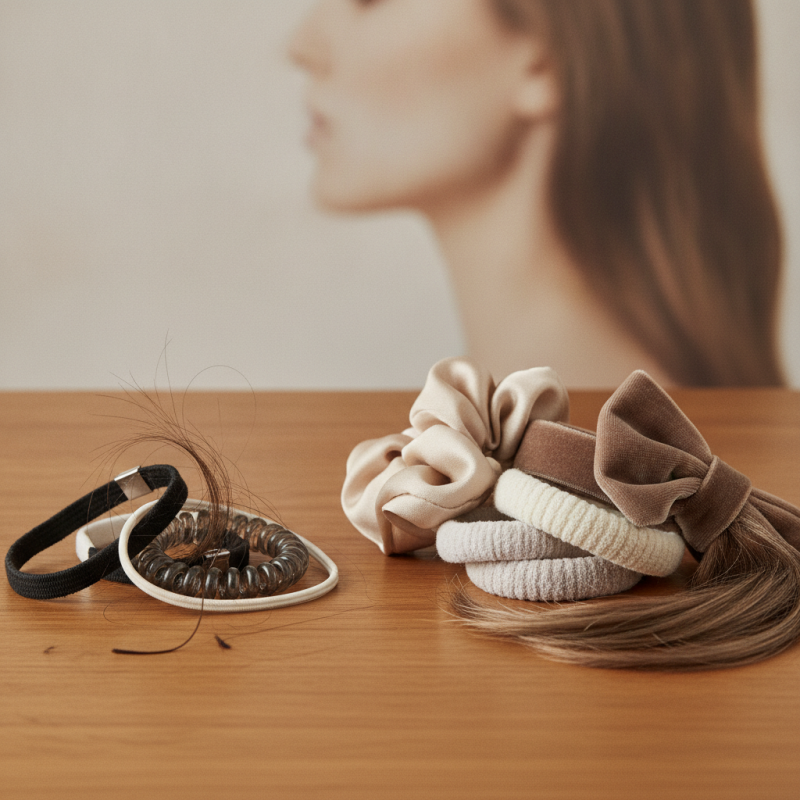
Hair ties come in various types, and their materials can significantly affect the health of your hair. Common hair tie types include elastic bands, fabric scrunchies, and plastic elastics. Elastic bands are generally popular due to their versatility, but they often contain rubber and metal elements that can cause breakage. Fabric scrunchies, on the other hand, are gentler on the hair, minimizing friction and reducing split ends.
Using hair ties made from soft, stretchy materials is advisable. Choosing those with no metal parts can help avoid snagging. One common concern is the tightness of the hair tie. Tying hair too tightly can lead to traction alopecia, a condition where hair falls out due to prolonged tension. So, it's essential to give your hair a break and change up styles often.
Always consider your hairstyle choices, as they can dictate the type of hair tie you should use. For a loose, casual look, opt for fabric scrunchies. For a sleek ponytail, a smooth elastic might do. Keeping your hair healthy sometimes means reevaluating our familiarity with certain products. Reflect on how often you switch up your hair ties and allow your hair to breathe.
Top 10 Hair Ties That Damage Your Hair
How Hair Ties Cause Damage: The Science Behind Hair Breakage
Hair ties might seem harmless, but they can significantly damage your hair. The elasticity of a hair tie can create tension at the roots. This pressure leads to breakage and hair loss over time. When hair is pulled tightly, it causes stress on the strands. Friction can also result from rough materials.
To minimize damage, choose hair ties made from softer materials like fabric. Avoid using rubber bands as they can snag and tear your hair. It’s also wise to switch styles regularly to reduce tension on the same areas.
Consider leaving your hair down when at home. This will allow your hair to breathe and recover. Regularly changing your hairstyles can prevent excessive wear. If you're using a hair tie, ensure it’s not too tight. A loose fit is less likely to cause breakage and is more comfortable.
Pay attention to how your hair feels. If it’s often tangled or breaking, it may be time to reassess your hair tie choices.
Identifying the Most Damaging Hair Tie Designs and Features
Hair ties are often overlooked, but they can severely damage your hair. The way they are designed and made impacts hair health significantly. Tight elastic hair ties can pull and strain hair, leading to breakage and hair loss. In fact, a study published in the International Journal of Trichology found that approximately 50% of women experience hair damage due to daily styling habits, including the use of hair ties.
Certain materials can exacerbate the problem. Rubber bands, for instance, can snag on hair strands. This results in split ends and fragile locks. A survey by the Hair Health Institute revealed that 70% of respondents admitted to using damaging types of hair ties. Many are unaware of the harm caused by their favorite styling tools. Research indicates that the friction created by certain textures can lead to traction alopecia over time.
It's essential to avoid hair ties with metal components. These can create weak points in the hair. Also, overly tight designs may induce discomfort and headaches. Accepting that not all hair ties are created equal is crucial. The choice of hair accessories should consider both style and hair health. Awareness of these factors can help maintain luscious locks while still enjoying trendy hairstyles.
Preventative Measures: Choosing Hair Ties That Minimize Damage
Choosing the right hair tie can significantly impact your hair health. Many common hair ties can pull and damage the strands, leading to breakage or thinning. According to a study published in the Journal of Cosmetic Dermatology, excessive tension on the hair can result in traction alopecia, a condition that many overlook.
When selecting hair ties, opt for those made from soft, seamless materials. Silk and satin ties are gentler on hair, reducing friction. They help in minimizing the risk of damage. Avoid rubber bands or tight elastics that can snap and cause breakage. Consider using spiral hair ties, which distribute pressure evenly.
Tips: Always remove hair ties before sleeping. This simple step prevents unnecessary stress on your hair. Try to alternate hairstyles to avoid constant tension on the same hair sections. Remember, a little change can make a big difference in hair health.
Keep in mind that you should listen to your hair. If it feels brittle or looks damaged, re-evaluate your hair tie choices. Regularly assess how your choices affect your hair's condition; sometimes, a small adjustment can lead to significant improvements.
Top 10 Hair Ties That Damage Your Hair and How to Prevent It
| Hair Tie Type |
Damage Potential |
Recommended Alternative |
Preventative Measures |
| Traditional Elastic Bands |
High |
Fabric-covered Hair Ties |
Avoid tight styles, use gentle securing |
| Metallic Hair Ties |
Very High |
Seamless Hair Ties |
Choose plastic options, check for damage |
| Rubber Bands |
High |
Spiral Hair Ties |
Limit usage, don't pull too tight |
| Thin Hair Ties |
Medium |
Thick, Soft Ties |
Use in moderation, vary styles |
| Velcro Hair Ties |
High |
Soft Hair Scrunchies |
Avoid snags, secure hair loosely |
| Satin Hair Ties |
Low |
Satin Scrunchies |
Use for night-time protection |
| Synthetic Hair Ties |
Medium |
Natural Fiber Ties |
Opt for breathable materials |
| Tight Spiral Ties |
Medium |
Looser Spiral Ties |
Switch styles frequently |
| Decorative Hair Ties |
Medium |
Plain, Simple Ties |
Limit use, gentle pulling |
FAQS
: Hair ties help manage hair by keeping styles intact and preventing tangles.
No, some hair ties can cause breakage or tension leading to hair damage over time.
Materials matter. Opt for softer fabric ties instead of harsh elastic bands.
Avoid tying too tightly, as it can cause stress on your roots and lead to hair loss.
Take regular breaks from using hair ties to restore your hair’s natural state.
Clips or fabric scrunchies are often safer for your hair than traditional elastic bands.
No, different hairstyles require different ties. Choose wisely based on your desired look.
Regularly changing your hair ties can help minimize damage and give your hair a break.
Yes, elastic bands may have rubber and metal parts that can snag and damage hair.
Yes, even good intentions can lead to breaching healthy hair practices and causing damage.
Conclusion
In the exploration of how do hair ties damage hair, it is essential to understand their basic structure and purpose. Common types of hair ties vary in materials, with some providing better support while others may lead to breakage. The science behind hair breakage highlights how tight and poorly designed ties can create stress on the hair shaft, leading to split ends and weakened strands.
Identifying the most damaging hair tie designs involves recognizing features such as metal clasps, excessive elasticity, or rough textures that can cause friction. To minimize damage, it is crucial to choose softer, more flexible hair ties that distribute pressure evenly and are less likely to cause breakage. Adopting preventative measures ensures healthier hair while maintaining the desired styling convenience.

 Galz Fashion