Starting your own brand can feel overwhelming. The beauty industry, particularly hair accessories, offers great potential. Knowing how to start a private label hair accessory brand is crucial for success.
You need a unique vision. Your brand should reflect your style and values. Make sure you research current trends and customer preferences. Knowing your audience can set you apart.
Securing suppliers is another essential step. Finding reliable manufacturers will greatly impact your product quality. While navigating this process, remember that challenges may arise. Reassess your strategy when faced with obstacles. Embrace the learning curve and adjust your plans accordingly. This journey is not just about profits; it’s about building your identity in the market.
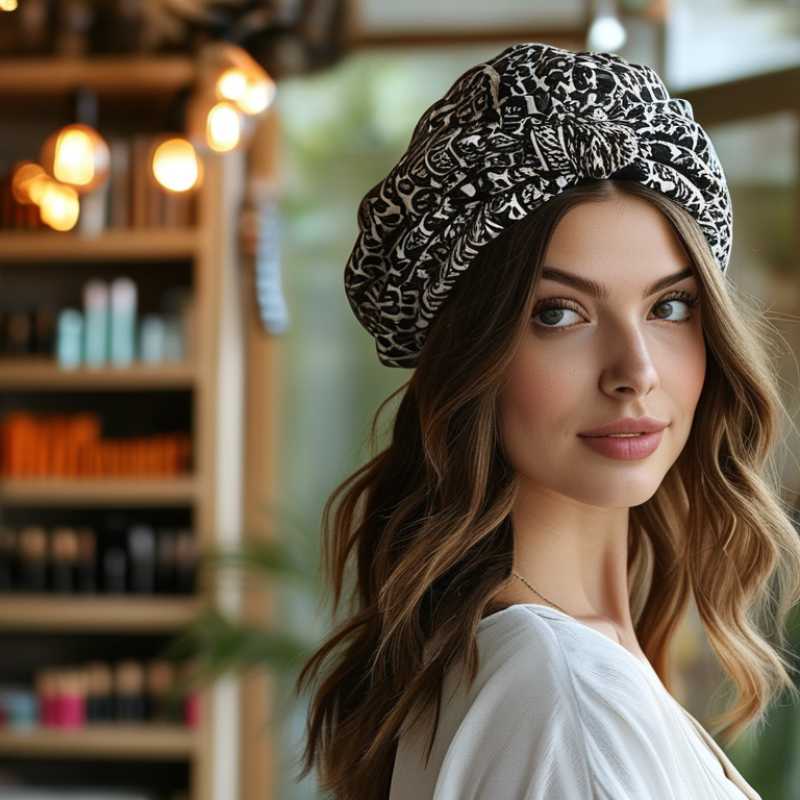
Identifying your target market is crucial when starting a private label hair accessories brand. Focus on demographics such as age, gender, and lifestyle. For instance, younger consumers may prefer trendy items, while older clients might seek classic designs. Consider where your potential customers shop. Do they frequent online platforms, or do they prefer local boutiques? Understanding these preferences leads to better product offerings.
Narrowing your niche is just as important. The hair accessories market is vast, ranging from hair clips to headbands. Determine what sets your products apart. You might choose to focus on eco-friendly materials or intricate handmade designs. This unique angle can attract a dedicated customer base. Reflect on your brand's story and values. This will resonate with your audience and build loyalty. Testing different products can reveal what works best. Be open to feedback, and don't shy away from making adjustments. Addressing customer needs is a continuous journey.
Starting a private label hair accessories brand requires meticulous research. Finding reliable suppliers is crucial. Quality impacts your brand’s reputation directly. Begin by identifying manufacturers who specialize in hair accessories. Explore platforms like trade shows or online directories. This ensures you connect with credible suppliers.
Tips: Assess their production capacity. Can they meet your demand? Be cautious about minimum order quantities. Some suppliers might impose high limits, which could strain your budget.
Consider the materials used. High-quality materials last longer and please customers. Request samples to evaluate the product firsthand. If you notice inconsistencies or defects, rethink your choice. Not all suppliers will meet your standards.
Once you find potential partners, communicate your expectations clearly. Discuss pricing, timelines, and quality checks. A good supplier should be responsive and open to feedback. If they are not, you may need to look elsewhere. Building a reliable network is key to your brand’s success in the competitive hair accessories market.
Creating a unique brand identity for your private label hair accessories involves thoughtful design and branding decisions. You need to define the essence of your brand. What do you stand for? Assess your target audience and their preferences. Aim for an approach that feels authentic and resonates.
Consider the colors and fonts that represent your vision. Bright colors may suggest fun and playfulness. Soft tones might communicate elegance and sophistication. Your packaging should reflect this identity. Think about eco-friendly materials. Sustainable packaging is increasingly important to consumers. Aim for something that feels luxurious yet accessible.
When developing your brand's voice, maintain consistency across all platforms. This includes social media, a website, and product descriptions. Write in a way that engages your audience. Share behind-the-scenes stories, or why you chose specific designs. Authenticity builds connection but requires careful thought. Sometimes, feedback may be critical. Reflect on it to improve your brand. Every detail matters in creating a lasting impression.
Creating an effective marketing strategy for your private label hair accessories brand is crucial. Start by identifying your target audience. Understand their preferences, lifestyles, and purchasing habits. This data will guide your design and messaging choices. Use polls or social media insights to gather valuable information. A strong brand identity should resonate with your audience. Think about colors, logos, and packaging that appeal to them.
Next, utilize various marketing channels. Social media platforms can showcase your products through visuals. Collaborations with influencers can enhance your brand’s visibility. However, choosing the right influencers is essential. Assess their authenticity and engagement with followers.
Also, consider content marketing strategies. Blogs about hair care or styling tips can position you as an industry expert. These elements contribute to brand trust and authority.
Reflect on your progress regularly. Are your efforts resonating with your audience? Track metrics like engagement and sales conversion rates. Adjust your strategy as needed. Remember, marketing is not a one-time task; it requires continuous refinement. Be open to experimenting with new approaches. This mindset will keep your brand relevant and allow for growth.
Building an online presence for your private label hair accessories brand is crucial. Start with a user-friendly website that showcases your products. High-quality images and detailed descriptions attract potential customers. Invest time in search engine optimization (SEO) to improve visibility. Include keywords related to hair accessories to help users find your brand easily.
Social media platforms are powerful tools for marketing. Create accounts on Instagram and Pinterest, where visuals reign supreme. Share engaging content that highlights your products in real-life scenarios. Encourage user-generated content by asking customers to share photos wearing your hair accessories. This not only builds community but also serves as authentic marketing.
Challenge yourself to respond to customer feedback. Be open to criticism and adapt your strategies. Perhaps your initial product line didn’t meet expectations. This is an opportunity to reflect and improve. Consistently analyze your online metrics. Understand what works and what doesn't. This proactive approach can guide your brand’s evolution, helping you connect with your audience meaningfully.
: Start by researching manufacturers who specialize in hair accessories. Use trade shows or online directories.
Be cautious of high minimum order quantities. They can strain your budget and affect cash flow.
High-quality materials lead to longer-lasting products. This, in turn, increases customer satisfaction.
Request samples to check for consistency and defects. If issues arise, rethink your supplier choice.
Focus on colors, fonts, and packaging that represent your vision. Engage your target audience authentically.
Identify your audience's preferences and lifestyles. Use social media insights, polls, and collaborations effectively.
Consistency in voice and design builds brand connection. It engages your audience and increases trust.
Monitor metrics such as engagement and sales conversion rates. Regular reflection helps adjust your strategies.
Eco-friendly materials appeal to consumers. Sustainable packaging can enhance your brand image.
Reflect on feedback to make improvements. Embrace it as a chance to grow your brand more effectively.
Starting your own private label hair accessories brand involves several essential steps. First, you need to identify your target market and niche to understand the preferences and needs of potential customers. Next, conducting thorough research will help you source quality suppliers, ensuring that your products meet the expected standards.
Once you have your products, developing a unique brand identity and packaging will help differentiate your brand in the marketplace. Additionally, creating an effective marketing strategy is crucial to successfully launch your brand and attract customers. Finally, building a robust online presence and establishing sales channels will be key to driving sales and sustaining growth. By following these steps, you'll gain valuable insights on how to start a private label hair accessory brand successfully.

Galz Fashion