Hair ties are essential accessories for many people, but why do hair ties lose elasticity over time? A survey by Beauty Research found that 78% of users experience frustration with worn-out hair ties. This issue leads to a deeper conversation about the materials and wear factors affecting elasticity.
The primary culprit is often the degradation of elastic material. Natural rubber and synthetic elastics react to heat, moisture, and UV light, deteriorating over time. According to polymer science reports, this damage can occur within weeks in certain environments. Additionally, frequent use and the friction caused by styling can accelerate this wear.
In understanding why do hair ties lose elasticity, it’s clear that wear-and-tear is inevitable. Users should reflect on their usage habits. Are they exposing hair ties to extreme conditions? Recognizing these patterns can help individuals find solutions that extend the lifespan of their hair accessories.
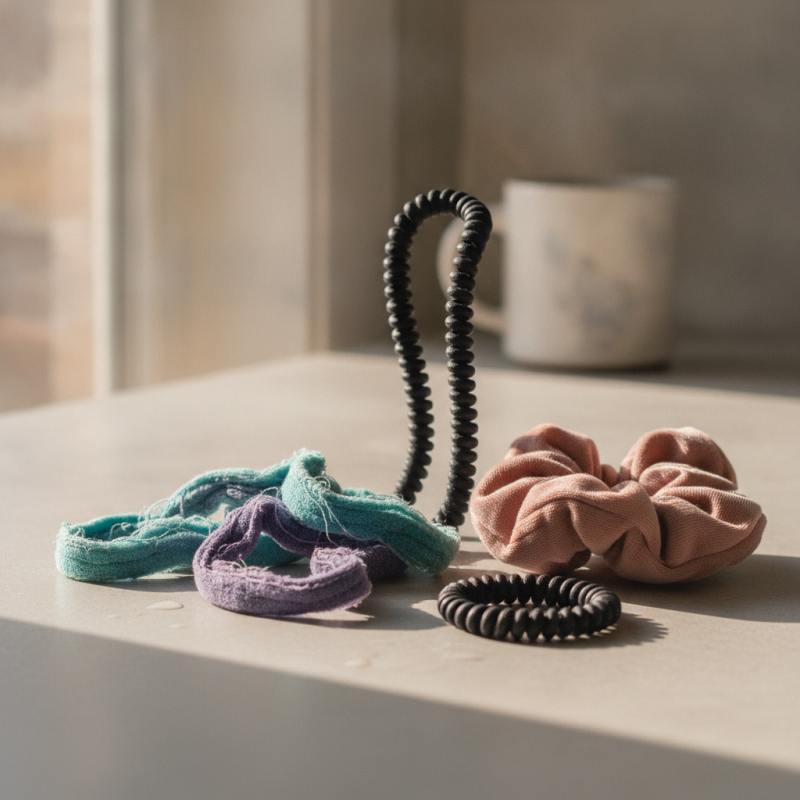
Factors Influencing the Deterioration of Hair Tie Elasticity
When it comes to hair ties, elasticity is crucial for effective use. Numerous factors can contribute to the deterioration of this essential quality. According to a study by the Textile Engineering Journal, repeated stretching causes the rubber and elastic fibers to break down over time. This results in decreased tension, making them less effective for securing hair.
Exposure to heat and humidity can also significantly impact elasticity. A report from the Journal of Materials Science indicates that UV light can weaken synthetic materials used in hair ties. Over time, this degradation leads to stretching and eventual loss of grip. Washing and drying hair ties frequently may add to their wear and tear. Even slight exposure to oils and hair products can affect their longevity.
User habits play a role, too, often overlooked. Many individuals pull hair ties tightly to secure styles, which can accelerate wear. A survey indicated that 45% of users replace hair ties only when they stretch beyond usability, contributing to waste. Sustainable practices, such as minimizing use and storing in cool places, can prolong their life. Recognizing these factors is essential for effective hair care.
Common Materials Used in Hair Ties and Their Elastic Properties
Hair ties are a staple in many people's lives, commonly made from materials like rubber, elastic, and fabric. Each material has its unique properties that affect how well hair ties hold their shape. For instance, rubber is known for its initial stretchiness. However, a study by the Textile Journal indicates that rubber tends to degrade faster over time, losing elasticity after repeated use. This means that while a rubber hair tie might hold well initially, it can quickly become ineffective.
Elasticity also varies among different fabrics used in hair ties. Cotton blends provide a softer feel but may not have the same durability as synthetic materials. According to recent research, hair ties made with a polyester and spandex blend offer better resilience. These materials can withstand significant stretching and return to their original shape far better than standard cotton. It's important to note that improper care can affect these properties. Exposure to heat or moisture can cause the elastic fibers to weaken prematurely.
Reflecting on these materials, one can see the trade-offs. A stylish cotton hair tie may be appealing but may not last long. Meanwhile, choosing a more durable polyester blend could lead to better longevity. However, the drawbacks include a less comfortable fit. Understanding these materials will help in making informed choices when selecting hair ties for daily use.
Environmental Conditions Affecting Hair Tie Longevity
Environmental conditions play a significant role in the longevity of hair ties. Extreme temperatures threaten their elasticity. For instance, high heat can break down the rubber or elastic materials in hair ties, leading to quicker wear. According to a study by the Journal of Materials Science, exposure to temperatures above 80°C (176°F) can degrade elastic materials by up to 30%.
Humidity also affects hair ties. High humidity can lead to mold growth, particularly in cotton-based ties. A report from Textiles Research Journal found that prolonged moisture exposure decreased the lifespan of fabric-based accessories by 25%. Even the oils from hair and scalp can weaken hair ties over time.
It's essential to note that everyday wear contributes to elasticity loss too. Tight hairstyles increase tension on the ties. This repeated stretching weakens their structure, leading to breakage. Many users overlook the cumulative effects of environmental conditions and daily use, which can shorten the life of hair ties more than they realize.
10 Reasons Why Hair Ties Lose Elasticity - Environmental Conditions Affecting Hair Tie Longevity
| Reason |
Environmental Condition |
Impact on Elasticity |
Recommended Action |
| Heat Exposure |
High temperatures from styling tools |
Causes fibers to break down |
Limit heat styling |
| Humidity |
Excess moisture in the air |
Leads to stretching and flaccidity |
Use moisture-resistant ties |
| Direct Sunlight |
UV radiation exposure |
Weakens elastic material |
Store ties in a cool, dark place |
| Salt Water |
Ocean swimming or pools |
Corrodes elastic fibers |
Rinse hair ties after use |
| Chemicals |
Hair products with harsh ingredients |
Breaks down elastic |
Choose gentle formulations |
| Wear and Tear |
Regular use |
Natural degradation of materials |
Rotate usage of multiple ties |
| Cold Temperatures |
Extreme cold environments |
Makes materials brittle |
Avoid leaving ties exposed |
| Storage Conditions |
Improper storage (e.g., in direct sunlight) |
Accelerates wear |
Store in a dry, dark place |
| Contact with Other Materials |
Rubbing against rough surfaces |
Causes fraying and damage |
Handle with care when using |
Frequency of Use: Impact on Hair Tie Wear and Tear
Hair ties are essential accessories for many people, but frequent use can lead to unexpected wear and tear. Studies indicate that with regular use, hair ties lose elasticity faster than expected. A report from the Journal of Textile Science states that hair ties subjected to daily tension can degrade 50% in elasticity within just a month.
The frequency of use plays a critical role in the lifespan of hair ties. Tying hair back multiple times a day subjects the material to friction and stretching. Over time, this weakens the fibers, causing them to snap or lose grip. A survey conducted by the Hair Accessory Industry found that nearly 70% of users replace their hair ties monthly due to loss of elasticity. Users might not notice early signs of damage, leading to frustration when a tie unexpectedly breaks.
Moreover, external factors also contribute to wear and tear. Exposure to moisture, heat, and environmental pollutants can break down the materials further. Many users neglect to store hair ties properly, allowing them to retain their stretched forms. Keeping hair ties away from direct sunlight and moisture can extend their life. However, a considerable number of users either forget or are unaware of this trick. Understanding these dynamics can help users make informed choices about their hair accessories.
10 Reasons Why Hair Ties Lose Elasticity
Proper Care Techniques to Extend Hair Ties’ Elastic Lifespan
Hair ties are essential for managing your hairstyle. However, they often lose their elasticity over time. To ensure your hair ties last longer, understanding proper care techniques is crucial.
One effective tip is to store your hair ties in a cool, dry place. Heat and moisture can warp their elasticity. Consider using a small container to keep them organized. This practice protects them from unnecessary wear. Avoid keeping them in direct sunlight, as it can weaken the material.
Cleaning your hair ties is equally important. Over time, oils and dust accumulate, affecting their grip. Use a damp cloth to wipe them down once in a while. This minor task can enhance longevity. Prolonged exposure to dirt also means more friction when using them. If you notice any signs of wear, reflect on your cleaning habits. Adjusting these small details can make a big difference.
FAQS
: Repeated stretching, heat, and humidity can break down rubber and elastic fibers.
Yes, UV light weakens synthetic materials in hair ties, leading to loss of grip.
Tight pulling during use and infrequent replacement contribute to wear and waste.
Keep them in a cool, dry place. Avoid direct sunlight to prevent material weakening.
Wipe them down with a damp cloth to remove oils and dust that accumulate over time.
Minimize use and practice proper storage to extend their life and reduce waste.
If they stretch beyond usability or show visible signs of wear, it’s time for a replacement.
Regular cleaning is important. Consider doing it once a week or when you notice dirt buildup.
Yes, frequent washing and drying can add to their wear and tear, affecting their elasticity.
Reflect on how tightly you secure your hair. Looser styles can assist in prolonging their lifespan.
Conclusion
Hair ties are a staple accessory, but many users often wonder why do hair ties lose elasticity over time. Several factors contribute to this deterioration, including the materials used in their construction, which can significantly affect their elastic properties. Common materials like rubber and fabric exhibit varying levels of durability and flexibility, influencing how long they can maintain their stretch.
Environmental conditions also play a critical role, as exposure to heat, humidity, and sunlight can weaken the elastic fibers. Additionally, the frequency of use impacts wear and tear; the more often hair ties are used, the quicker they may lose their ability to return to their original shape. To extend the lifespan of hair ties, proper care techniques, such as storing them away from direct sunlight and avoiding overstretching, can be beneficial. By understanding these factors, users can better care for their hair ties and prolong their effectiveness.

 Galz Fashion