Hair accessories are an essential part of many people's daily routines. However, it's surprising how often we encounter the frustrating reality that they can break easily. For anyone who has experienced the sudden snap of a hair tie or the bend of a hairpin, it raises the question: why do some hair accessories break easily? This phenomenon not only affects our styling routines but can also impact our overall confidence.
Several factors contribute to the fragility of these simple tools. Often, materials used in production can be subpar or overly stiff. Cheap plastic can bend or snap under pressure. Hair accessories designed for specific hair types may also struggle with versatility. Additionally, misuse during styling or storage can exacerbate the issue, making hair accessories prone to breakage.
Understanding the reasons behind this common problem can help consumers choose more durable options and care for their favorite pieces. It invites a deeper reflection on how we treat our belongings. Investing in quality hair accessories can save money and frustration in the long run.
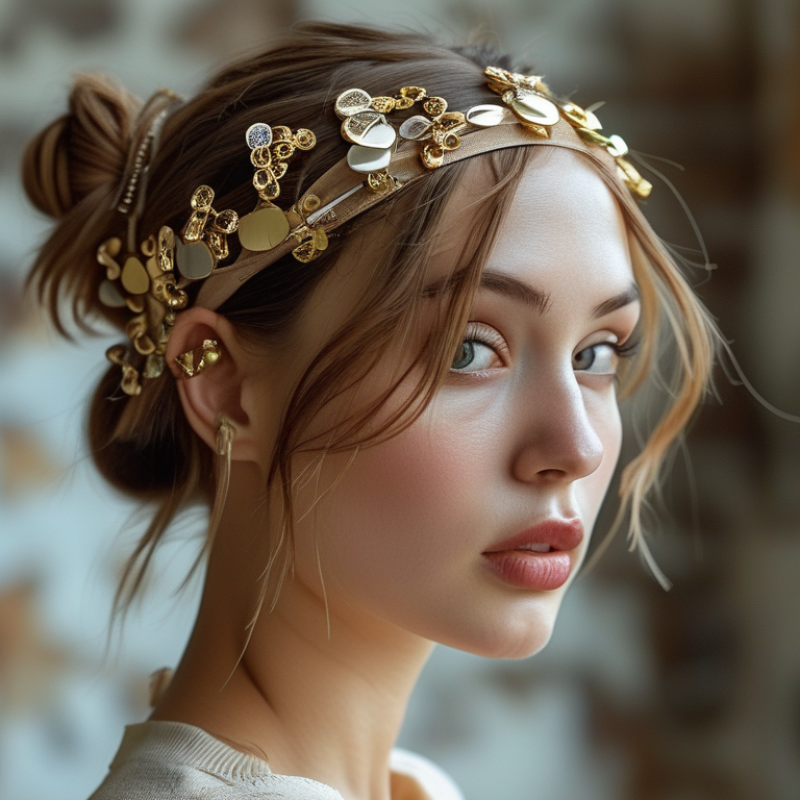
Hair accessories come in various materials, each with different levels of durability. Commonly used materials include plastic, metal, fabric, and rubber.
Plastic is lightweight and inexpensive but can break easily under pressure. A small fall might crack a plastic hair clip.
Metal accessories, while more durable, can rust or bend. Over time, constant use can weaken their structure.
Fabric accessories like headbands are soft but can wear down quickly. Frequent stretching can lead to fraying or reduced elasticity. Rubber bands are convenient but often snap after repeated use. They can lose their grip and elasticity quickly.
Proper care, such as avoiding excessive force, can extend their lifespan. However, many users overlook this aspect. It’s essential to choose the right type based on your hair type and activity level.
While popular trends offer aesthetics, they may sacrifice durability. Seeking strength in style isn’t easy. Balancing beauty and functionality in hair accessories requires careful consideration. Understanding materials can lead to better choices and fewer breakage issues. This reflection on durability can help users make informed decisions.
Hair accessories are often fragile, and various design flaws contribute to their quick breakage. One significant issue is the use of low-quality materials. According to a report from the Accessories Research Council, around 70% of hair accessory consumers have experienced breakage within a month of use due to poor material quality. This flaw is common in elastics, clips, and headbands, leading to user frustration.
Another critical factor is the lack of ergonomic design. Many accessories are made without considering hair types or usage styles. For instance, a study published in the Journal of Hair Science indicated that accessories designed for straight hair often fail with curly or thick textures. This discrepancy can lead to stress on the accessory, increasing the likelihood of breakage.
Additionally, accessories with intricate designs may seem appealing but are often less durable. Decorative elements can weaken the structural integrity of the piece. It is essential for both manufacturers and consumers to recognize these shortcomings in the design process. Making mindful choices about hair accessories can significantly improve their longevity and user satisfaction.
When it comes to hair accessories, environmental factors play a crucial role in their longevity. Humidity can warp hair clips and bands. High moisture can weaken their structure, leading to breakage. Similarly, extreme heat can cause materials like plastic and rubber to become brittle. This brittleness can lead to sudden snapping, especially when under stress.
Furthermore, exposure to sunlight can fade and weaken hair accessories. UV rays can damage colors and materials, making them less resilient over time. Rain or sweat can also affect metal components, leading to rust or corrosion. The residues from hair products may contribute to this deterioration, creating an invisible layer that can trap moisture.
People often overlook how these factors accumulate. It might be tempting to leave accessories in sunny windows or inside hot cars. We often need to remember that even beloved accessories might need care to last longer. Taking simple steps, like storing them in a cool, dry place, can help extend their lifespan. Making small adjustments can lead to a noticeable difference.
When it comes to hair accessories, improper usage and care can lead to frequent breakage. Many users unknowingly contribute to this problem by being rough with their accessories. For example, twisting hair ties too tightly can cause them to snap. Similarly, constantly bending clips or pins can weaken their structure, leading to fractures. These small habits might seem harmless, but they accumulate over time.
Proper storage is also crucial in maintaining the longevity of hair accessories. Keeping them tangled in a messy drawer can lead to scratches and damage. Instead, try organizing them in a designated area. Soft pouches or dedicated holders can prevent unwanted pressure and keep them safe. Reflection on how we use and care for these items can lead to better practices that protect our favorites.
Cleaning hair accessories regularly can also help prevent breakage. Dust and dirt can wear them down. A quick wash with mild soap can extend their life significantly. Attempting to use accessories for purposes they weren’t designed for can lead to disappointment. Realizing their limits is an essential step toward responsible ownership. Consider how small changes in your habits can make a significant difference.
When examining the longevity of hair accessories, different materials reveal various durability levels. Metal hairpins can bend easily, losing their shape after only a few uses. Plastic hair ties may snap quickly, especially under tension. Rubber bands can stretch out, losing their grip over time. These factors contribute to our frustration when opting for these everyday items.
Hair clips made from stronger materials tend to last longer. However, even high-quality clips can break if used incorrectly. For instance, overloading a clip with thick hair can cause it to crack. Similarly, fabric scrunchies may fray, especially when washed frequently. It highlights the importance of selecting the right accessory for your hair type and usage.
Reflecting on these issues helps us understand care strategies. Storing accessories properly can extend their life. Avoid tossing them in bags without protection. Being mindful during use can prevent unnecessary damage. Each accessory has its unique strengths and weaknesses, making thoughtful choices crucial for longevity.
: Hair accessories generally use plastic, metal, fabric, and rubber. Each material has its durability level.
Plastic is lightweight and inexpensive but can break easily. A small drop may damage a plastic clip.
Metal products are more durable but can rust or bend. Frequent use may weaken their structure over time.
Fabric items like headbands can fray and lose elasticity with frequent stretching. They may not last long.
Rubber bands are convenient but can snap easily after multiple uses. They often lose grip quickly.
Low-quality materials contribute significantly. Many users experience breakage due to poor material choices.
Being rough with accessories or twisting ties too tightly can increase the likelihood of them snapping.
Keeping accessories organized in designated holders can prevent scratches and pressure that cause damage.
Regular cleaning removes dust and dirt that can wear down accessories. Clean items last longer and perform better.
Reflecting on usage habits and making small adjustments can lead to better care and fewer breakage issues.
The article "Top 10 Reasons Hair Accessories Break Easily: Why Does It Happen?" explores the various factors contributing to the fragility of hair accessories. It begins by examining the common materials used in these products, highlighting their inherent durability issues. The article then delves into design flaws that can compromise structural integrity, making accessories more susceptible to breakage. Additionally, environmental factors such as humidity and temperature changes are discussed, as they can significantly impact the lifespan of hair accessories.
Improper usage and care are also crucial themes, illustrating how certain habits can lead to premature wear. Lastly, the piece provides a comparative analysis of different types of hair accessories, shedding light on their longevity and resilience. Through this exploration, the article answers the question: why do some hair accessories break easily? It emphasizes that a combination of material quality, design, external conditions, and user practices all play vital roles in determining the durability of hair accessories.

Galz Fashion