How to Prevent Hair Breakage from Accessories in 2026?

Time:2026-06-27 Author:Ethan
0%

In the ever-evolving world of hair care, many seek insight into how to prevent hair breakage from hair accessories. Renowned trichologist Dr. Emily Ricci emphasizes, "Choosing the right hair accessories can significantly minimize damage." With trends constantly shifting, the right choices are crucial now more than ever.

Many individuals experience hair breakage due to the misuse of accessories. Common culprits include hair ties and clips that can tug or snap strands. It's vital to recognize the impact these seemingly harmless tools can have. The combination of tight hairstyles and rough materials often leads to stress on hair fibers.

Experts suggest investing in gentle, high-quality accessories. Silk scrunchies, for instance, reduce friction and are less likely to cause breakage. Despite this knowledge, many still unknowingly reach for damaging options. Reflecting on our choices can guide us towards healthier hair practices and lead to improved hair vitality.
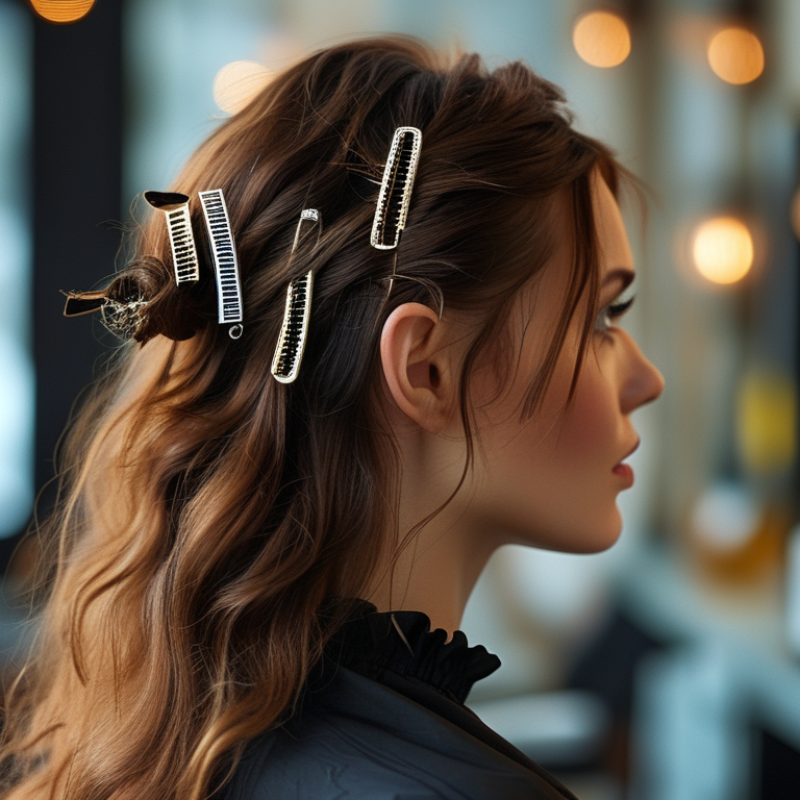
How to Prevent Hair Breakage from Accessories in 2026?

Understanding Hair Breakage from Accessories

Hair accessories, while stylistically appealing, can contribute significantly to hair breakage. A study by the American Academy of Dermatology shows that around 50% of women report damage due to hair accessories. Tightly held hairstyles, hair ties, and clips can create stress points along the hair shaft. This stress ultimately results in weakened strands and increased breakage, especially in fine or fragile hair types.

To mitigate damage, consider using gentler options. Opt for fabric-covered hair ties instead of elastic ones. These can reduce friction and pressure on the hair. Limit the use of metal clips, as they can snag and tear. Always remove accessories gently to avoid pulling.

Regularly assessing your hair's health is crucial. If you notice increased breakage, take a break from tight hairstyles. Embrace loose styles whenever possible. Additionally, incorporating deep conditioning treatments can help strengthen hair, making it more resilient. Ultimately, being mindful of how accessories interact with your hair will lead to healthier strands.

How to Prevent Hair Breakage from Accessories in 2026?

The chart above illustrates the percentage of hair breakage risk associated with various accessories. Hair ties pose the highest risk at 35%, followed by headbands and clips. Using protective accessories can significantly reduce hair damage.

Identifying Hair Types and Their Vulnerabilities

Understanding your hair type is crucial for preventing breakage from accessories. Each hair type—straight, wavy, curly, or coily—has distinct characteristics. Straight hair tends to be slippery and can slide out of styles easily. This may lead to tight ponytails, causing tension and potential breakage.

Wavy hair usually holds styles better. However, it’s prone to frizz and texture changes due to humidity. Accessories like tight bands can create pressure points, weakening the strands over time. Curly hair, known for its dryness, can be fragile. Using metal clips or rubber bands can contribute to breakage in these textures.

Coily hair is the most delicate of all. Its unique structure makes it prone to damage from friction with accessories. Loose ties or soft scrunchies can help maintain curl integrity without causing harm. It’s also essential to observe how your hair reacts over time. Some accessories may seem gentle but can lead to unexpected breakage. Regularly assessing your hair’s condition can guide you in choosing the right tools and techniques for care.

How to Prevent Hair Breakage from Accessories in 2026? - Identifying Hair Types and Their Vulnerabilities

Hair Type Vulnerability Accessory Impact Preventive Measures
Straight Low moisture retention Can lead to split ends Use silk accessories
Wavy Frizz and dryness May cause tangling Opt for soft fabric scrunchies
Curly Weak structure, prone to breakage Tight accessories can pull Avoid tight hairstyles
Coily Low elasticity Can cause stress at the roots Use wide-toothed combs and soft clips

Choosing the Right Hair Accessories for Damage Prevention

Choosing the right hair accessories is essential for preventing hair breakage. Not all accessories are created equal. Some can cause friction and strain on your strands. Hair ties with metal clasps can snag and pull. Opt for elastic bands that are gentle and snag-free. Fabric-covered hair ties can also help. They offer grip without the harshness of plastic or metal.

Combs and brushes matter too. Use wide-tooth combs or gentle brushes. These tools minimize breakage while detangling. Pay attention to how you use them. Avoid yanking and pulling. Instead, take your time. Be gentle. Accessories with sharp edges can also pose risks. Choose smooth, rounded clips and pins. These will secure your hair without damage.

Don't just focus on looks. Functionality is key. Assess how each accessory interacts with your hair type. Remember, even the best accessories can cause harm if used incorrectly. Periodically reevaluate your choices. If your hair feels brittle, reflect on your routine. Small changes can make a big difference. Listen to your hair; it will tell you what it needs.

Proper Techniques for Wearing Hair Accessories Safely

When it comes to wearing hair accessories, proper techniques are crucial to prevent hair breakage. According to a 2022 survey by the American Academy of Dermatology, 40% of women reported experiencing hair damage due to improper accessory use. Opt for softer materials such as fabric-covered elastics rather than tight plastic versions. This simple change can reduce friction and tension on the hair strands.


Another important technique is to avoid wearing accessories too tightly. Tight styles create stress on the hair, leading to breakage. Hair should be secured snugly but not pulled excessively. A study published in the Journal of Investigative Dermatology found that wearing loose hairstyles considerably decreased the chances of hair damage, showing a 30% reduction in breakage incidents compared to tight styles.


Additionally, rotating your hairstyles can help mitigate damage. Wearing the same style consistently can lead to localized strain on your hair. Aim for variety in hairstyles and accessories throughout the week. While this may require extra thought, it pays off in the long run. A conscious approach to accessory use can help maintain hair health, reducing breakage significantly.

Tips for Maintaining Hair Health Alongside Accessory Use

Accessorizing can be fun, but it may also lead to hair damage. The materials and styles we choose can impact hair health. To maintain beautiful locks, pay attention to how you use accessories. Opt for softer materials that won’t tug at your hair. This simple change can make a big difference.

Limit the use of tight hairstyles. While they may look great, they can lead to breakage. Instead, try looser styles that offer flexibility. Incorporate hair-friendly accessories, like fabric-covered bands. They minimize friction and protect your strands from harm. Regularly assess your accessory choice. If one causes discomfort, it may not be worth keeping.

Condition your hair regularly to enhance its resilience. A good conditioner can help repair and strengthen damaged strands. Remember to hydrate yourself, too. Healthy hair is often a reflection of overall well-being. Finally, practice mindfulness when styling. Notice how your hair responds to different accessories. This awareness can guide better choices for your hair health journey.

FAQS

: How do hair accessories cause breakage?

: Hair accessories can create stress points along the hair shaft, leading to weakened strands and increased breakage.

What percentage of women experience damage from hair accessories?

About 50% of women report damage due to the use of hair accessories according to a study.

What types of hair ties are safer to use?

Fabric-covered hair ties are better as they reduce friction and pressure on the hair compared to elastic ones.

Why should metal clips be limited in use?

Metal clips can snag and tear hair, increasing the risk of breakage and damage.

How can I assess my hair's health?

Regularly check for increased breakage; if present, consider taking breaks from tight hairstyles and embracing looser options.

What can I do to strengthen my hair?

Incorporate deep conditioning treatments to help your hair become more resilient and reduce breakage.

What hairstyles should I avoid?

Avoid tight hairstyles, as they can add stress and lead to hair breakage over time.

How can I ensure my combs and brushes are gentle on my hair?

Use wide-tooth combs or gentle brushes, and avoid yanking while detangling your hair.

What features should I look for in hair accessories?

Choose smooth, rounded clips and pins to minimize the risk of hair damage.

What should I do if my hair feels brittle?

Reflect on your hair care routine; small changes in accessories can significantly impact hair health.

Conclusion

In the pursuit of understanding how to prevent hair breakage from hair accessories, it’s crucial to first recognize the different hair types and their specific vulnerabilities. Each hair type can react differently to various accessories, so identifying your hair type allows for better care and protection measures. Selecting the right hair accessories that minimize damage is essential; for instance, opting for softer materials and avoiding overly tight styles can significantly reduce the risk of breakage.

Furthermore, employing proper techniques while wearing hair accessories is vital. This includes avoiding excessive pulling and ensuring that accessories are not too tight. Alongside these practices, maintaining overall hair health—such as regular conditioning and minimizing heat exposure—can complement accessory use and further safeguard against breakage. By combining these strategies, you can effectively learn how to prevent hair breakage from hair accessories and maintain beautiful, healthy hair.

Ethan

Ethan

Ethan is a seasoned marketing professional with a deep expertise in our company's innovative product line. With a passion for sharing knowledge and insights, he takes the lead in regularly updating our corporate blog, where he explores industry trends, product features, and effective marketing......