How often should hair accessories be replaced? The answer depends on material, frequency, storage, and contact with sweat, oils, and styling products. A velvet scrunchie used twice weekly may last months. A damp elastic worn daily can lose strength much sooner.
Industry research offers useful context, although it rarely states a universal replacement date. Grand View Research’s hair accessories market analysis identifies elastics, clips, headbands, and decorative pieces as major product categories. Its findings reflect expanding consumer choice, not guaranteed product durability. The American Academy of Dermatology Association also emphasizes gentle hair care and avoiding excessive pulling, which makes accessory condition relevant to breakage prevention. Circana’s beauty industry reporting continues to show strong consumer interest in personal care routines, but replacement habits remain highly individual.
Look closely. Frayed fabric, stretched elastic, cracked teeth, rust, sharp edges, or a lingering odor are practical warning signs. Stop using damaged pieces. They can tug strands, scrape the scalp, or collect residue that regular washing cannot fully remove. Clean washable accessories according to their care labels, and let them dry completely before storage. This is easy to overlook.
In everyday styling, replacement may be needed every few weeks for heavily used elastics, while sturdy clips can last much longer. That estimate is not a rule. I have found that storage conditions change the outcome dramatically, especially in humid bathrooms. A careful guide should therefore combine professional hygiene advice, product materials, and visible wear rather than promise one perfect schedule.
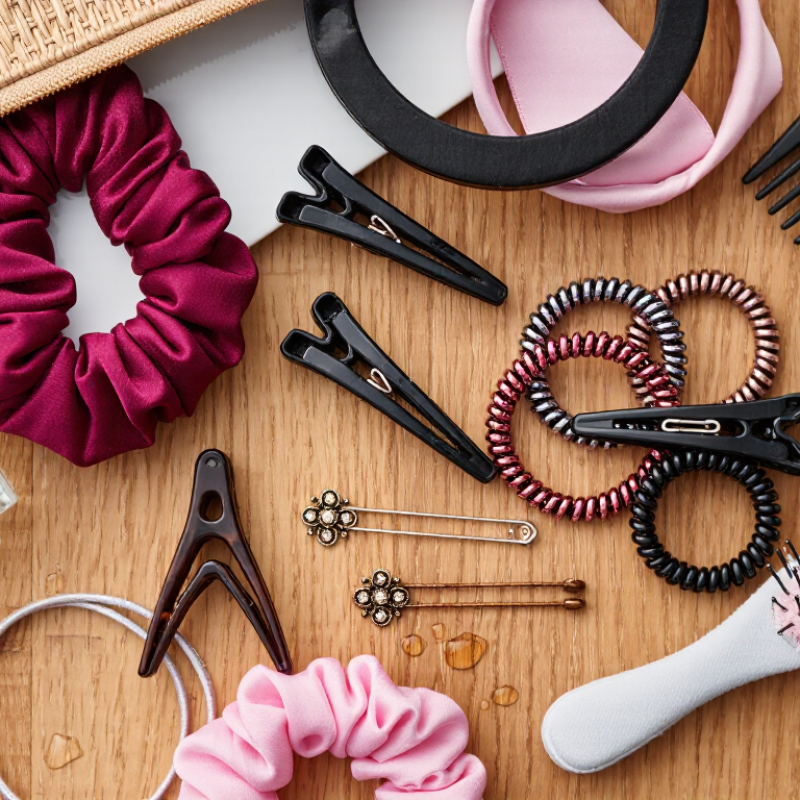
How Often Should Hair Accessories Be Replaced?
Hair accessories do not need replacement on a universal schedule. Their useful life depends on function, condition, and contact with your scalp. Guidance from the American Academy of Dermatology supports avoiding tight hairstyles and reducing practices that pull or damage hair. The same practical thinking applies to accessories: replace them when they stop protecting your hair or begin causing discomfort.
Check an elastic after each use. Replace it if it feels stiff, snaps back unevenly, or leaves a deep mark. A cracked clip, sharp edge, or loose tooth can catch strands and cause breakage. Fabric ties may also collect oil, sweat, and styling residue. Wash them regularly, then replace them when odors remain or the material stays damp. Small signs matter.
I once kept a stretched tie because it still worked. It did, but it needed several wraps and pulled at my roots. That was not a good standard. If an accessory causes headaches, scalp tenderness, slipping, or extra shedding during removal, stop using it. Soft, clean, secure, and comfortable are better measures than age alone. A rarely used accessory may last for years, while a daily one may fail within months. Check the tool, your hair, and your scalp honestly.
Replace hair accessories based on function and condition—not a universal time limit. Retire an accessory when it is damaged, loses its ability to hold hair securely, cannot be cleaned effectively, or causes pulling, pain, or scalp discomfort. If it remains intact, comfortable, cleanable, and functional, replacement is not automatically required.
Chart key: 1 = replacement or retirement indicated; 0 = no replacement indicated by that condition alone.
Hair accessories should be replaced when elastic recovery noticeably declines, not on a fixed calendar. ASTM D4964 measures force and elongation under controlled extension, but it does not prescribe a universal replacement cycle. That distinction matters. A hair tie may look intact while its elastic core slowly loses tension.
For a practical screening test, measure the relaxed length before use. Record 100 millimetres, then stretch the accessory to 200 millimetres and release it. Repeat this process for 50 or 100 cycles, keeping the speed and extension consistent. After five minutes, measure the relaxed length again. If it returns to 105 millimetres, recovery is approximately 95 percent. If it rests at 120 millimetres, recovery falls to about 80 percent. The accessory may feel loose, snag hair, or require extra wrapping.
Test several pieces from the same batch. One sample can mislead you. ASTM D4964 supports controlled force and elongation measurements, while AATCC laboratory guidance stresses conditioning and repeatability in textile testing. Household testing is less precise. Humidity, sweat, oils, and heat can change results. That limitation deserves attention. As a practical internal rule, replace an accessory when recovery drops below 85 to 90 percent, when stitching loosens, or when the elastic shows cracking. This range is a screening threshold, not a formal industry requirement. The most reliable record includes initial length, cycle count, final length, and visible damage.
Hair accessories are often replaced only after they look tired. That approach misses hidden fabric damage. Elastic can weaken, stitching can loosen, and rough fibers can irritate the hair.
AATCC TM61 offers a more disciplined way to assess wear. It is an accelerated laundering test for textile colorfastness and durability. Under specified test conditions, one cycle approximates five typical home launderings. This equivalence is not a perfect prediction for every accessory. Friction, sweat, hair products, and water temperature can change the result.
Use the method as a reference point, not a promise. After each group of five equivalent washes, inspect a fabric headband or scrunchie under bright light. Check for faded color, pulled loops, flattened texture, frayed seams, and exposed elastic. Stretch it gently three times. If it fails to return to its original shape, replacement may be sensible. It may still look acceptable.
That is the problem.
A laboratory wash cycle cannot reproduce every day of wear. A child’s tightly worn headband may deteriorate faster than a loosely fitted one. Dark dye transfer, persistent odor, or scratchy fibers also deserve attention, even when the fabric appears intact. Keep a simple record of washing cycles and inspection dates. The record will be imperfect, but it can reveal patterns. Five-wash equivalence becomes useful when combined with direct observation and careful handling.
How Often Should Hair Accessories Be Replaced?
There is no universal replacement date for every hair accessory. The CDC’s hygiene guidance supports regular cleaning, avoiding shared personal items, and replacing items when cleaning no longer controls contamination. Sweat, scalp oil, makeup, and damp bathroom air can collect on elastics, clips, and fabric bands. Clean them after heavy workouts and let them dry completely.
Replace an accessory when its condition creates hygiene, fraying, or breakage risks. Discard stretched elastics that pull unevenly or snap during use. Replace fabric ties with loose threads, rough edges, or a sour smell after washing. Clips deserve attention too. Cracked teeth, rusty hinges, or sharp plastic can scratch the scalp and catch hair. Small damage matters.
I have kept favorite hair ties too long. That was not especially sensible. A soft tie may look clean but still hold oil deep inside its fabric. Wash washable accessories with mild soap, rinse thoroughly, and inspect them before reuse. Do not share items used against the scalp, especially after illness or intense sweating. If an accessory causes tugging, headaches, redness, or broken strands, replace it sooner rather than later. Personal comfort is useful evidence, although it is easy to ignore.
Replacement timing depends on material, washing frequency, and how intensely you use each accessory. In my experience, elastic hair ties often need replacement every one to three months when worn daily. Frequent stretching weakens the fibers. A tie that stays loose around your wrist may already be too tired for secure styling.
Fabric scrunchies and headbands can last longer with gentle care. Wash them weekly during light use, or after each sweaty session. Let them dry completely before wearing them again. Plastic clips usually last several months, but replace them when hinges loosen, teeth crack, or edges feel sharp.
Metal pieces need attention too. Rust, peeling surfaces, or snagging can irritate the scalp and break hair. Washing helps hygiene, but it cannot restore damaged materials.
Tips: Keep separate accessories for workouts and everyday styling. Store them dry, away from direct heat. Check elastic tension every few weeks. If an item pulls, catches, smells unusual, or leaves marks, replace it sooner. I sometimes keep using a favorite clip too long; that is not a good standard. Hair texture also matters. Thick or very dense hair can strain small elastics faster, while fine hair may tolerate them longer. When uncertain, choose comfort and hair safety over saving one accessory.
Replace it when it stops protecting your hair or causes discomfort. Condition matters more than age.
Check it after each use. Replace it if it feels stiff, stretches unevenly, or leaves a deep mark.
Cracks, sharp edges, and loose teeth can catch strands. They may cause pulling or breakage.
Yes. They can collect oil, sweat, and styling residue. Wash them regularly, then replace them if odors remain.
Inspect them after every five equivalent home washes. Use bright light and check seams, loops, texture, and elastic.
Look for fading, pulled loops, flattened texture, frayed seams, or exposed elastic. Scratchy fibers matter too.
Not completely. Friction, sweat, products, and water temperature change real-world wear.
Stop using it. Headaches, slipping, tenderness, or extra shedding are meaningful warning signs.
Possibly. A daily accessory may fail within months, while occasional use creates less stress.
Not always. If it needs several wraps or pulls at your roots, replace it. I once ignored this. It was a poor standard.
How often should hair accessories be replaced? There is no single timeline that works for everyone. Replacement should be based on function, condition, and hygiene rather than a fixed number of days or months. Check whether an elastic still returns to its original shape after repeated stretching. If it remains loose, feels brittle, or cannot hold hair securely, it may be time for a replacement. Fabric accessories should also be inspected for thinning, fading, weakened seams, or damage after repeated washing. A practical approach is to compare their condition after several wash cycles and note whether the material has lost strength or comfort.
Replacement becomes especially important when accessories accumulate dirt, retain moisture, develop unpleasant odors, or show fraying and breakage that could irritate the scalp or catch in the hair. The right timing depends on the material, washing frequency, and intensity of use. Frequently worn or washed items may need more regular replacement, while gently used accessories can last longer when stored clean and dry.
Galz Fashion