In the dynamic world of fashion, the quest for high-quality hair accessories continues to evolve. Experts in the industry, like Jane McLain, often emphasize, "Quality in hair accessories is about durability and style." This assertion highlights what makes a high-quality hair accessory a vital consideration for global buyers.
Luxury and practicality must coexist. Elevating an outfit requires accessories that not only look appealing but also withstand daily use. High-quality materials, such as genuine leather or fine silk, are essential. These components increase longevity and enhance the accessory's aesthetic appeal. Yet, it’s crucial to recognize that not all stunning pieces come with high quality—there are countless beautiful accessories that fall short in craftsmanship.
Buyers must remain vigilant. Trends can overshadow quality. Factors like ethical production and sustainability also matter now more than ever. Reflecting on these elements helps ensure that purchases align with personal values. Understanding what makes a high-quality hair accessory is more than a checklist; it’s about finding pieces that truly elevate one’s style while standing the test of time.
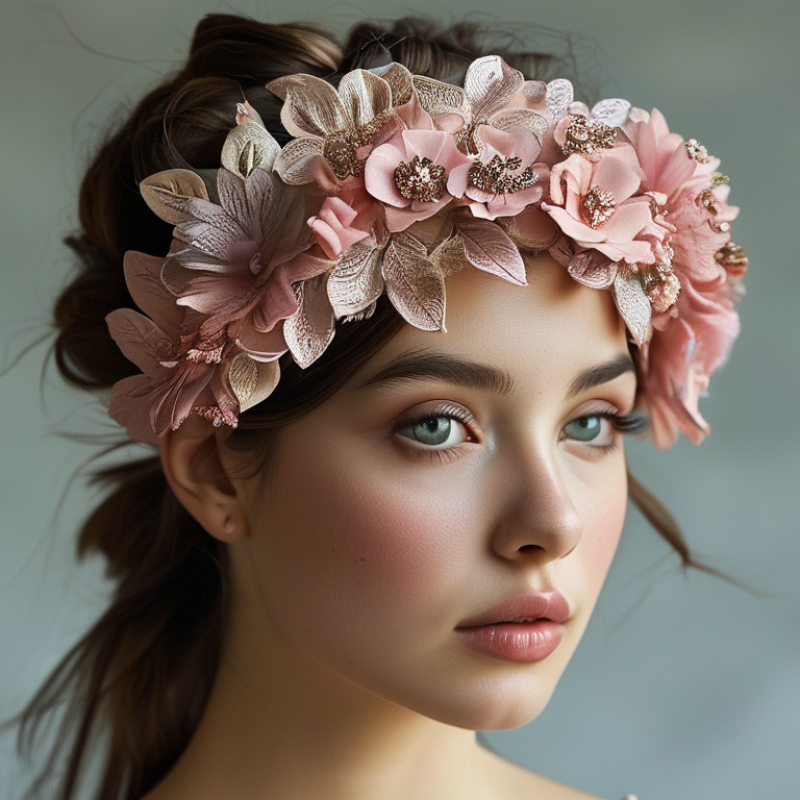
Factors Influencing Quality in Hair Accessories for Global Markets
In today’s global marketplace, the demand for high-quality hair accessories is rising significantly. Buyers are increasingly looking for products that stand out in terms of design, durability, and sustainability. According to recent industry reports, over 70% of consumers prioritize sustainable materials when selecting hair accessories. This shift is driven by a growing awareness of environmental impact among buyers worldwide.
When evaluating hair accessories, several factors influence perceived quality. Material selection plays a crucial role. For instance, natural materials such as silk or organic cotton tend to be favored over synthetic alternatives. Quality craftsmanship is also essential. Accessories that exhibit attention to detail often attract discerning consumers. Moreover, functionality cannot be overlooked. Buyers prefer accessories that not only look good but also serve practical purposes, such as secure hold and comfort.
Tips:
- Always check materials before purchasing. Look for certified organic labels.
- Examine craftsmanship closely. Details matter in quality assessment.
- Investigate a product’s functionality. Accessories should enhance user experience.
Despite the focus on quality, some products can be overpriced. The correlation between design and price isn’t always clear. Some brands may prioritize innovation over practical utility. This can lead buyers to reassess what they truly value in
hair accessories. By considering these factors, global buyers can make informed decisions that align with their personal style and ethical beliefs.
Materials and Craftsmanship: Key Elements of High-Quality Hair Accessories
Quality hair accessories are defined by the materials and craftsmanship used in their creation. According to a recent market analysis, 72% of consumers prefer accessories made from sustainable materials. Natural fibers like silk, cotton, and sustainably sourced wood have gained popularity. These materials not only elevate the aesthetic appeal but also enhance comfort and durability. However, it’s important to note that not all so-called "natural" materials are created equal.
Craftsmanship plays an equally critical role. Handmade items often showcase intricate detailing and a level of care that mass-produced ones lack. Reports indicate that 65% of buyers believe that handmade accessories offer superior quality. But, while handmade items can be exquisite, inconsistency in craftsmanship can lead to varying outcomes. For instance, slight variations in size or finish can affect a product’s usability. Even the most skilled artisans can occasionally miss a detail in the rush of production.
The balance between materials and craftsmanship is delicate. High-quality hair accessories should reflect both sustainability and skill. As consumers become more discerning, they seek products that tell a story. Yet, the market also grapples with assessing quality amid a sea of options. This complexity can lead to underwhelming choices, where the promise of luxury clashes with the reality of mass production.
Design Trends: What Attracts Global Buyers to Hair Accessories
Global buyers are increasingly drawn to hair accessories that reflect contemporary design trends. Today’s consumers value uniqueness and quality. According to a recent market report, the global hair accessory market was valued at approximately $20 billion in 2022 and is expected to grow at a CAGR of 5% over the next five years. This growth reflects a shift towards high-quality, stylish products.
Sustainability is another crucial factor. Buyers are now more conscious of the environmental impact of their purchases. Accessories made from eco-friendly materials resonate with this demographic. In fact, 72% of consumers prefer brands that promote sustainable practices. This trend challenges designers to balance aesthetic appeal with responsible sourcing. Craftsmanship must meet high standards. Yet, many brands still struggle with transparency in their supply chains.
Cultural influences also play a significant role in design appeal. Styles inspired by different cultures add to the narrative of an accessory. For instance, intricate embellishments or minimalist designs can attract diverse customer bases. Designers need to continually adapt to these changing tastes. However, too much focus on trends can lead to a loss of brand identity. A steady commitment to quality is essential—even as trends evolve.
Sustainability and Ethical Considerations in Hair Accessory Production
When considering hair accessories, sustainability and ethics are key factors for global buyers. Today’s consumers are increasingly aware of the impact their purchasing habits have on the environment. They seek accessories made from eco-friendly materials. Bamboo, organic cotton, and recycled metals are excellent choices. These materials can reduce waste and support sustainable practices.
Many brands are reflecting on their production processes. They assess the use of harmful chemicals in dyeing or finishing hair accessories. Transparency in sourcing is vital. Buyers appreciate brands that openly communicate their practices. It builds trust and portrays a commitment to ethical production.
Tips for ethical shopping include researching materials. Look for certifications that indicate sustainable practices. Another tip is to choose local artisans. Supporting them can reduce carbon footprints associated with shipping. Consider the longevity of the accessory. A well-made item can last for years, reducing the need for frequent replacements. Quality over quantity is essential in creating a responsible wardrobe. Reflecting on these choices contributes to a more thoughtful consumer culture.
Pricing Strategies: Balancing Quality and Affordability for Consumers
In today's competitive market, pricing strategies for hair accessories require a delicate balance between quality and affordability. According to a 2022 market report by Grand View Research, the global hair accessories market is expected to reach $12.5 billion by 2025. Factors such as materials, design, and functionality significantly influence pricing. Consumers are increasingly assessing the durability and appeal of products before making purchases.
It's crucial for manufacturers to innovate while maintaining cost-effectiveness. For instance, using eco-friendly materials can sometimes increase production costs. However, consumers are willing to pay more for sustainable options. That said, 30% of buyers report they prioritize affordability over premium features. This indicates an ongoing challenge in aligning market offerings with consumer expectations.
Many brands face feedback regarding their pricing. Some find that their prices are perceived as too high, even when they offer quality products. Understanding consumers' value perceptions is essential. Insights from Nielsen show that 70% of consumers are influenced by price during purchase decisions. This highlights the importance of strategic pricing to attract a broader audience while not compromising on product quality.
Conclusion
In exploring what makes a high-quality hair accessory for global buyers, several key factors emerge. Firstly, the choice of materials and craftsmanship plays a crucial role; high-quality hair accessories often utilize premium materials that ensure durability and aesthetic appeal, complemented by skilled craftsmanship that reflects attention to detail. Additionally, current design trends significantly influence buyer preference, as unique and stylish pieces tend to attract a wider audience.
Moreover, sustainability and ethical considerations have become increasingly important for consumers in the global market, making it essential for manufacturers to adopt eco-friendly practices. Lastly, effective pricing strategies are vital in balancing quality with affordability, ensuring that consumers perceive value in their purchases. Together, these elements define the standard of excellence that informs what makes a high quality hair accessory in today's competitive landscape.

 Galz Fashion