In the world of fashion accessories, hair ties play a vital role. They are simple yet essential items for everyday style. Understanding how they are manufactured is important for buyers globally. Expert Anna Lin, a leading figure in textile manufacturing, states, "The quality of materials used shapes the reliability of hair ties." This insight reflects the industry's focus on sourcing durable materials.
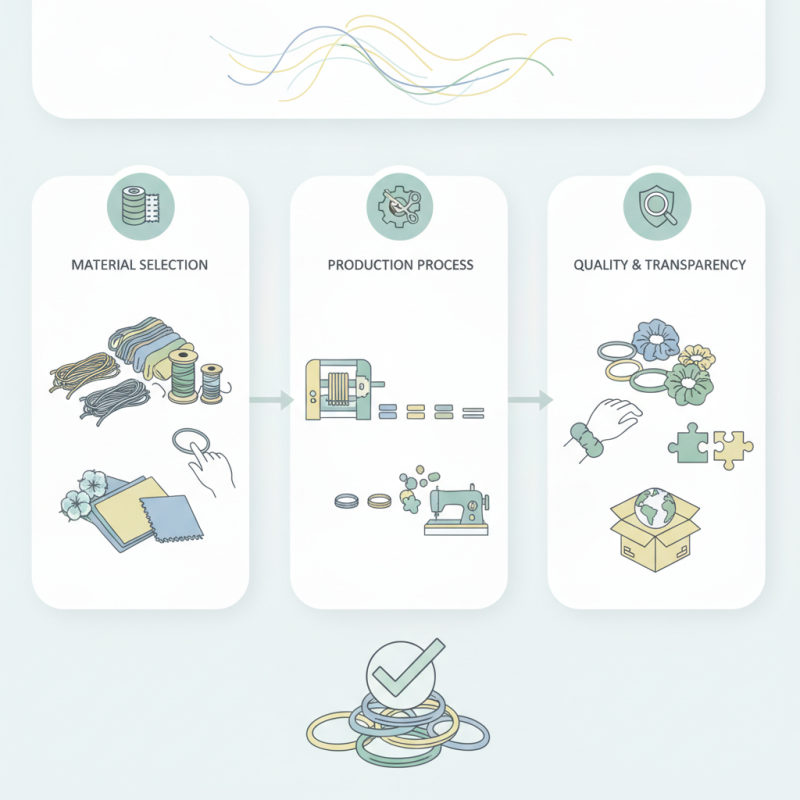
Hair ties come in various styles and functions, from basic elastic bands to decorative scrunchies. The production process is intricate. It involves selecting appropriate elastic materials, cutting them into lengths, and sometimes adding decorative elements. Each step influences the final product's quality and performance.
Despite advancements, manufacturing hair ties can still pose challenges. Ensuring consistency can be difficult. Buyers must be mindful of the supplier’s practices and material sourcing. Embracing transparency can strengthen the relationship between producers and consumers. Understanding how hair ties are manufactured creates a foundation for informed purchasing decisions. Quality matters, and knowledge empowers buyers.
Materials Used in Hair Tie Production
When it comes to hair tie production, materials play a crucial role. Most hair ties are made from elastic materials, often blended with fabric. Common choices include nylon, elastane, and cotton. Nylon is sturdy and elastic, making it a preferred choice for many manufacturers. Elastane adds stretchability, ensuring a snug fit without causing harm to the hair.
Some hair ties embrace eco-friendly materials. For instance, organic cotton and natural rubber are gaining popularity. These materials are not only better for the environment but also safe for users. However, not all eco-friendly options provide the same level of durability. This inconsistency may lead to higher product failure rates, a point worth considering when sourcing.
Tips: Check the material composition before purchasing. Understand the trade-offs between durability and eco-friendliness. Consider buyers’ reviews on different options, as they can reveal hidden problems. Ultimately, knowledge about materials can help you make informed buying decisions. Selecting the right materials impacts the performance and reliability of hair ties.
How Are Hair Ties Made - A Guide for Global Buyers
| Material |
Properties |
Common Uses |
Environmental Impact |
| Elastic Polyester |
Durable, stretchable, and lightweight |
Standard hair ties, scrunchies |
Recyclable but can take time to break down |
| Cotton |
Soft, breathable, and biodegradable |
Eco-friendly hair ties, scrunchies |
Biodegradable and sustainable |
| Rubber |
Strong elasticity, good grip |
Heavy-duty hair ties |
Non-biodegradable, potential for waste |
| Nylon |
Strong, durable with good stretchability |
Various hair accessory products |
Non-biodegradable; recycling options limited |
| Silicone |
Flexible, water-resistant, non-toxic |
Waterproof hair ties, sport accessories |
Recyclable but may contain mixed materials |
Manufacturing Processes for Hair Ties
Making hair ties involves several key manufacturing processes. Initially, raw materials such as elastic bands and fabric are sourced. Common materials include silicone, cotton, and polyester. Each material provides different benefits in terms of stretch and durability.
Next, these materials undergo cutting and shaping. Elastic bands are cut to specific lengths. Fabric can be woven or knitted to desired patterns. Precision is crucial in this phase. Quality control checks ensure uniformity. Imperfections can lead to product failure, highlighting the need for meticulous attention.
After shaping, hair ties are assembled. This process often includes sewing or bonding the materials together. In some cases, embellishments like beads or trims are added. Finally, packaging is completed, preparing products for shipment. Despite advancements, challenges such as waste management and sustainability persist. Manufacturers continually seek to minimize their environmental impact, reflecting a growing industry awareness.
Quality Control Standards in Hair Tie Production
Quality control in hair tie production is crucial for ensuring product integrity and consumer safety. According to industry reports, approximately 30% of hair ties fail to meet quality standards due to variations in material composition or manufacturing processes. This statistic highlights a gap that manufacturers must address through stricter oversight.
Manufacturers typically implement rigorous testing protocols. They evaluate elasticity, durability, and chemical safety in raw materials. For instance, testing for harmful substances in elastics and plastics is essential. Reports indicate that 25% of hair ties made from inferior materials may release toxic substances over time. Such findings stress the importance of choosing suppliers with strong quality assurance programs.
Manufacturers can adopt various certifications to enhance trustworthiness. Certifications, such as ISO 9001, provide frameworks for consistent quality management. However, even certified products may still encounter issues. Some small-scale producers might not have the capability to perform comprehensive testing. This inconsistency poses risks, making it vital for global buyers to conduct their audits before making purchasing decisions.
Global Suppliers and Market Trends
The global hair tie market reflects diverse trends. Suppliers offer a range of materials, from elastic to fabric blends. The choice of materials affects durability and comfort. Buyers must stay informed about these shifts to remain competitive.
Emerging markets show an increasing interest in eco-friendly options. Sustainable materials attract consumers who prioritize environmental concerns. However, not all suppliers embrace these practices yet. There is a gap between demand for green products and actual supply. This inconsistency creates challenges for businesses looking to expand sustainably.
Regularly analyzing market trends is crucial. Understanding regional preferences can aid buyers in selecting the right suppliers. Some regions favor vibrant colors, while others prefer subtle, classic shades. These differences highlight the need for tailored sourcing strategies. Buyers may struggle with balancing trends and practical demands. It's essential to evaluate both immediate needs and long-term goals for effective procurement.
Hair Ties Production Statistics
This chart illustrates the annual production of hair ties across different regions. As depicted, Asia leads in production, contributing significantly to the global supply chain.
Eco-Friendly Alternatives in Hair Tie Manufacturing
Hair ties are essential accessories for many. As the demand for these items continues to rise, there's a growing focus on eco-friendly production methods. Traditional hair ties often involve synthetic materials, which are not biodegradable. This harms our environment. In contrast, eco-friendly alternatives use natural fibers like organic cotton or bamboo. These materials break down more easily, reducing long-term waste.
Manufacturers are adapting to these sustainable practices. Some employ methods that minimize water usage and energy consumption. They prioritize ethical sourcing, which benefits local communities. Eco-friendly hair ties are not just a trend; they're a responsible choice. However, the challenge remains. Not every eco-friendly product is equally effective. Some may not hold up as well as their synthetic counterparts. This points to the need for ongoing innovation. Consumers must be informed to make choices that don't sacrifice quality for sustainability.
As buyers explore eco-friendly options, transparency is critical. Understanding the materials and production processes helps build trust. It's essential for buyers to advocate for better practices in manufacturing. Every small choice contributes to a larger change in the industry. Hair ties made sustainably can help reduce our carbon footprint while still serving their purpose effectively.
FAQS
: Hair ties are usually made from elastic materials like nylon, elastane, and cotton.
Nylon is sturdy and elastic, providing a snug fit without damaging hair.
Yes, organic cotton and natural rubber are gaining popularity as eco-friendly options.
Some eco-friendly materials may lack durability compared to traditional options.
Check the material composition and read reviews to uncover hidden issues.
Understanding trends helps buyers select suppliers and navigate preferences effectively.
Some use natural fibers and focus on reducing water and energy consumption.
Not all eco-friendly hair ties are durable, which can affect customer satisfaction.
Understanding materials and production processes can lead to better purchasing decisions.
Transparency builds trust and encourages better practices in product sourcing and production.
Conclusion
The article titled "How Are Hair Ties Made: A Guide for Global Buyers" provides a comprehensive overview of the hair tie manufacturing process. It begins by discussing the various materials utilized in production, such as elastics and fabrics, highlighting their significance in achieving durability and elasticity. The manufacturing processes for hair ties are then explored, detailing the steps from material selection to final assembly, ensuring a thorough understanding of how hair ties are manufactured.
Quality control standards play a crucial role in ensuring that the final products meet safety and performance criteria. The article also examines global suppliers and current market trends, emphasizing the growing demand for eco-friendly alternatives in hair tie manufacturing. As consumers become increasingly conscious of environmental issues, the shift towards sustainable materials and practices in the hair tie industry is becoming more prevalent. Overall, this guide offers valuable insights for global buyers interested in the hair tie market.

 Galz Fashion