Choosing the right materials for hair accessories is crucial for both style and functionality. Expert stylist Laura Finnegan states, “The best materials not only enhance beauty but also ensure comfort and durability.” With a growing market, understanding what materials are best for hair accessories can be challenging.
Natural materials like silk and cotton offer softness and breathability. However, they may lack durability. On the other hand, synthetic materials such as polyester provide resilience but can cause discomfort over time. It's essential to weigh these factors when selecting the perfect accessory.
Consider personal preferences too. Some may desire eco-friendly options, while others prioritize luxury. Reflecting on these choices can lead to better decisions. Explore various materials and enjoy the journey of finding what truly works for you. After all, the right accessory can elevate your style and confidence.
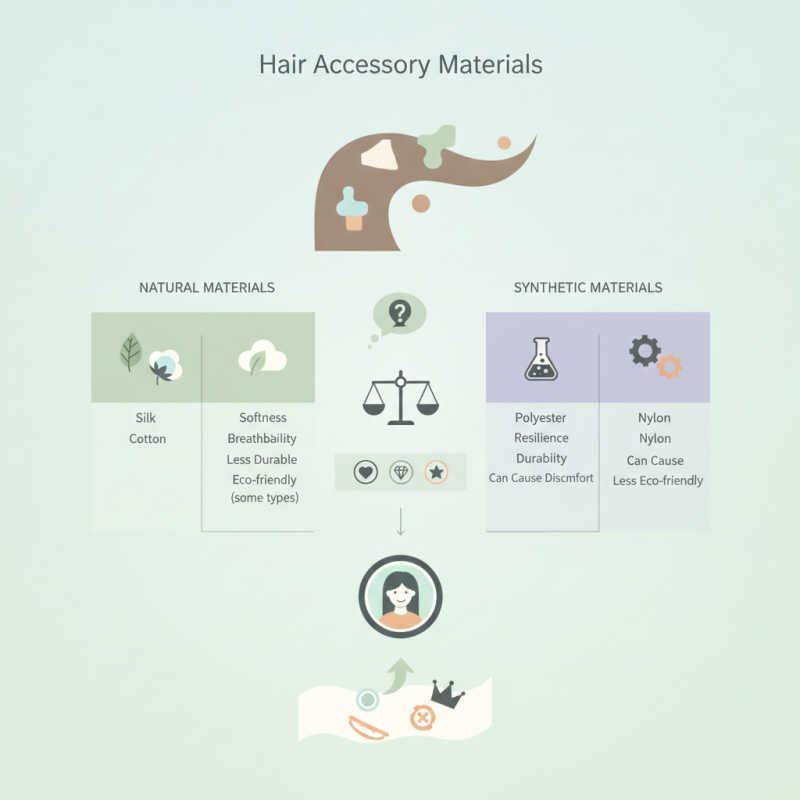
When selecting materials for hair accessories, understanding their properties is essential. Different materials offer distinct benefits and drawbacks. For instance, plastics are lightweight and versatile, often used in everyday hair ties and clips. However, their durability can be a concern. Research indicates that about 30% of consumers prefer using materials that are both practical and eco-friendly.
Natural fibers, such as cotton and silk, add a touch of luxury. They are gentle on hair, reducing breakage. In a survey, 40% of hairstylists recommended silk for scrunchies due to its low friction. On the other hand, these materials may require special care. Users must balance convenience and care quality.
Metallic components in accessories provide strength and a stylish look. Yet, metals can cause hair damage if not designed properly, leading to a potential 25% higher rate of breakage reported among users. Finding the right balance between aesthetics and health is crucial for a positive experience. Experimentation with various materials can lead to personal preferences, but it may take time to determine the best fit for your hair type and styling needs.
| Material Type | Properties | Common Uses | Care Instructions |
|---|---|---|---|
| Mallet Cotton | Soft, breathable, and lightweight | Hair ties, headbands | Hand wash, air dry |
| Silk | Luxurious, smooth, and gentle on hair | Scrunchies, hair wraps | Dry clean or gentle wash |
| Plastic | Durable and lightweight | Clips, barrettes, and combs | Wipe clean with a damp cloth |
| Metal | Strong and sturdy | Hairpins, clips | Avoid moisture, clean with a soft cloth |
| Resin | Versatile and colorful | Decorative clips and bands | Wipe with a damp cloth |
When choosing materials for hair accessories, durability and longevity stand out as key factors. Common materials include plastic, metals, fabric, and natural elements like wood. According to a report from the American Hair Accessories Association, plastic accessories can last up to five years, while metal variants often have an even longer lifespan, depending on their upkeep. However, the aesthetic appeal of these materials can fade much sooner due to wear and exposure to elements.
Tips for selecting materials include assessing the environment in which the accessories will be used. For instance, metal clips are great for everyday use but may tarnish over time. Natural materials can provide a unique look but require more careful handling. Reports suggest that accessories made from high-quality fabric can withstand rough treatment, although they may attract dirt and stains. Always consider how often and where the accessory will be used.
Investing in better materials can lead to significant savings in the long run. However, even the best materials can show signs of wear; thus, regular inspection is necessary. For example, a well-loved headband might fray at the edges. Keeping an eye on the condition of your accessories helps maintain their appearance and functionality.
When selecting materials for hair accessories, comfort and safety are paramount. Common materials include fabric, plastic, metal, and rubber. Each has its pros and cons. For instance, fabric is soft and breathable, but can cause irritation over time if not chosen wisely. Metal, while durable, can sometimes pinch or scratch the scalp.
Rubber accessories offer flexibility, but low-quality versions may contain harmful chemicals. Users should be cautious with how materials interact with their hair and skin. Allergies can arise from certain components, leading to discomfort and rashes. Testing small sections of hair or skin can help gauge reactions before committing to a full-use scenario.
In the realm of hair accessories, not all options are created equal. Some users may find that certain materials just don’t feel right after prolonged wear. It’s essential to listen to your body. If an accessory doesn’t feel comfortable, it’s worth exploring other options. Prioritizing safety and comfort can make a significant difference in daily hair care routines.
Choosing the right materials for hair accessories is essential, especially with sustainability in mind. Many consumers today seek eco-friendly options. Reports indicate that the global market for sustainable fashion is growing. It's projected to reach $8.25 billion by 2023. This shift emphasizes the importance of sourcing materials responsibly.
Natural fibers, like organic cotton and hemp, are excellent choices. They are biodegradable and use less water than synthetic options. Furthermore, bioplastics derived from corn starch present innovative alternatives. Studies suggest that bioplastics can reduce carbon emissions by over 30% compared to conventional plastics. However, the challenge lies in ensuring these materials are durable and maintain quality.
Recycled materials offer additional possibilities. They minimize waste and lower environmental impact. Yet, not all recycled materials meet the strength needed for long-lasting accessories. It's a balance between sustainability and functionality. Companies must continuously improve their material choices. Transparency in sourcing and production processes is vital for building consumer trust.
In recent years, hair accessory materials have seen significant shifts influenced by demographics. The younger generation leans toward bold colors and sustainable materials. They prefer items that express individuality and align with eco-friendly values. For this group, accessories made from recycled plastics or organic fabrics are increasingly popular choices.
Meanwhile, older demographics often gravitate toward classic materials like silk and velvet. These choices reflect a desire for timeless elegance and quality. Many appreciate the durability of natural fibers, which withstand the test of time. Yet, some may overlook newer options that could be equally appealing, leading to missed opportunities for fresh styles.
Social media trends also shape preferences. Platforms like TikTok showcase diverse materials, sparking interest across age demographics. However, not all trends resonate universally. Some materials may seem impractical for daily wear, which can lead to dissatisfaction. It's essential to balance trendiness with practicality, ensuring that personal style remains authentic and functional. Embracing this mix can lead to a more thoughtful selection of hair accessories.
: Common materials include plastic, metals, fabric, and natural elements like wood.
Plastic accessories can last up to five years with proper care.
Yes, metal accessories often have a longer lifespan, depending on maintenance.
Metal clips can tarnish over time and may scratch the scalp.
Yes, natural materials offer unique looks but require careful handling.
Assess the usage environment and consider how often the accessory will be worn.
Yes, high-quality fabric can endure rough use but may get dirty easily.
Test materials on a small hair or skin section to check for allergic reactions.
If it doesn’t feel right, it's worth trying different options for comfort.
Regularly inspect them to catch signs of wear, like frayed edges.
When choosing the best materials for hair accessories, it is essential to understand the various types available and their specific uses. Common materials include plastic, metal, fabric, and eco-friendly options, each offering different levels of durability and comfort. Evaluating the longevity of these materials can help determine their suitability for long-term use, while assessing comfort and safety ensures that accessories do not harm the hair or scalp. Furthermore, with a growing emphasis on sustainability, exploring eco-friendly materials has become increasingly important for those seeking environmentally conscious choices. Finally, analyzing demographic trends can provide insights into what materials are best for hair accessories, allowing for more tailored and appealing options in the market.

Galz Fashion