What Are the 7 Best Materials for Hair Accessories?

Time:2026-10-29 Author:Madeline
0%

A hair clip can look elegant on a shelf and still pull, snag, or slide out during the day. The material often explains why. It affects weight, flexibility, grip, and how smoothly an accessory moves through your hair. Construction matters too: a rough seam or stiff hinge can undermine even a promising material.

So, what materials are best for hair accessories? There is no single answer for every hair type or routine. Acetate can offer color and a polished finish, while well-finished metal provides a firm hold. Wood feels light and natural, though its surface should be smooth. Fabric and silk are gentle options for covered ties and scrunchies, but they can absorb moisture or need careful washing. Silicone can improve grip; plastics vary widely in strength and finish.

Small details count. Check the edges. Look for secure joints and smooth surfaces, especially if your hair tangles easily. For thick or heavy hair, a light clip may not hold; for fine hair, a tight spring can feel uncomfortable. The seven materials in this guide are compared by comfort, durability, care, and practical use—not appearance alone. Some trade-offs are easy to miss until an accessory has been worn for hours. And material labels can be vague, so inspect the finish and build whenever possible.
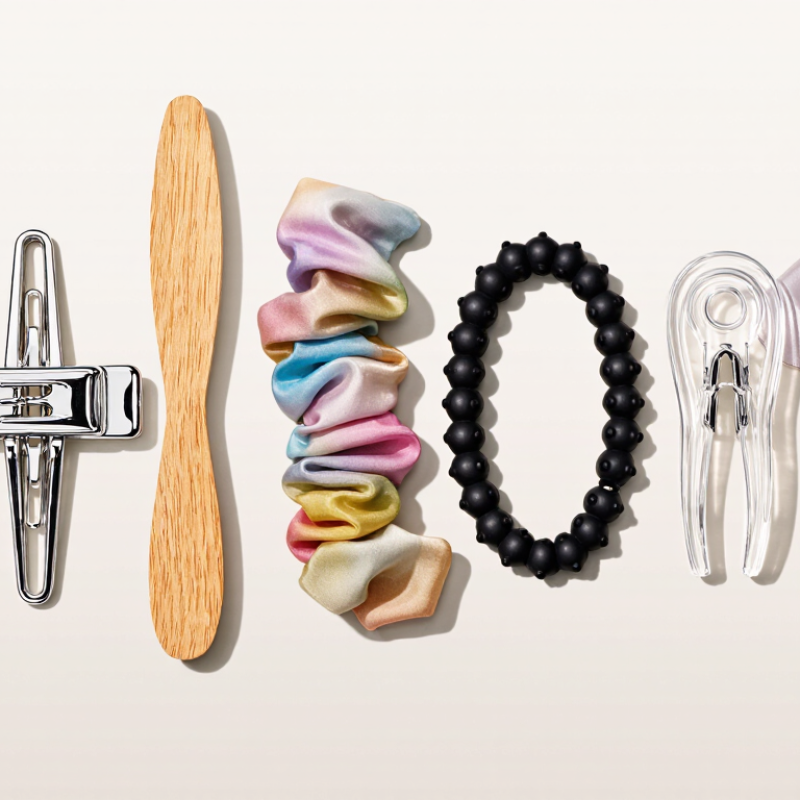
What Are the 7 Best Materials for Hair Accessories?

How to Evaluate Materials for Hair Accessories

What Are the 7 Best Materials for Hair Accessories?

When evaluating materials for hair accessories, start with how they feel and perform in your hair. Smooth acetate or polished wood can glide through strands, while rough edges may snag or split them. Check the clasp and hinge, too. A sturdy-looking clip can still pinch if its spring is too tight. Weight matters: a heavy barrette may slip from fine hair, but a lightweight one may not hold thick curls securely.

Think about comfort, care, and daily use. Metal can be durable, though some finishes may irritate sensitive skin or wear with moisture. Fabric-covered pieces feel soft, but can collect lint and take longer to dry. Silicone grips well, yet may pull if its edges are uneven. Materials vary, and no single choice suits everyone. I still find testing a piece for a few hours more useful than judging it by appearance alone.

Tips: Run a fingertip over every edge. Gently open and close the clasp several times. Wear the accessory briefly, then check for pressure, slipping, or snagging. If it feels almost comfortable, that may not be comfortable enough.

Natural Materials: Wood, Cotton, and Silk

Wood, cotton, and silk bring different qualities to hair accessories. Wood works well for combs, pins, and sturdy hair sticks. A smoothly sanded surface is less likely to catch strands than a rough one. Check the finish and edges before use. Small details matter. Wood can be durable, but it may crack if dropped or left in damp conditions.

Cotton suits scrunchies and soft ties because it feels familiar and washable. It can absorb moisture, which may be useful after exercise, though a damp tie should be dried fully before storage. Loose stitching or tight elastic can still pull hair. The material is only part of the experience. Fit matters, too.

Silk feels smooth against hair and may create less friction than some coarser fabrics, but results vary with the weave and construction. A silk-covered tie can still snag if its seam is bulky. Gentle hand-washing may help preserve delicate fabric; follow the care label when available. I tend to treat “natural” as a starting point, not a guarantee of comfort or quality. A little imperfect stitching can change how an accessory feels. Check it closely.

Durable Materials: Metal and Acetate

Metal works well for hair accessories that need strength in a small shape. A slim steel pin can hold its form through daily use, while a sturdy clasp may keep a barrette securely closed. The finish matters, too: smooth edges are less likely to catch strands, and a protective coating can help limit tarnish. Still, metal is not always comfortable. Heavier clips may pull on fine hair, and some people react to particular metals, so material details are worth checking. Not indestructible.

Acetate offers a different balance. It can be shaped into rounded combs and claw clips, with polished surfaces that glide more gently over hair than rough edges do. It is often lighter than solid metal, though thick acetate pieces can still feel heavy. Here is the trade-off: acetate may crack if dropped on a hard floor or left in a hot car. I would avoid forcing a tight clip open beyond its natural range. That seems obvious, but it is easy to forget. For either material, check the hinge, teeth, and finish before buying; attractive color alone says little about lasting quality.

Lightweight Materials: Acrylic and Silicone

Acrylic and silicone are useful choices when a hair accessory needs to feel light.

Acrylic clips can hold their shape without adding much weight. Their smooth surfaces also allow bright colors and clear, polished finishes. That makes them easy to match with everyday outfits. Look closely at the edges, though. Rough seams may catch fine strands or irritate the scalp. Acrylic is firm, not flexible, so a clip can crack if dropped on a hard floor. Keep it away from high heat, too.

Silicone feels softer and bends more easily. Small silicone bands can grip hair without the hard pressure of a rigid accessory. They are also simple to rinse after workouts or humid days. But silicone can attract lint and dust, especially when stored loose in a bag. A tight band may still pull hair during removal. Go gently. For thick hair, choose a size that holds without stretching to its limit; for fine hair, a lighter grip may feel more comfortable.

Material alone does not guarantee comfort. Fit, surface finish, and how carefully an accessory is removed matter too. Acrylic is not always the better choice for a neat look, and silicone is not always gentler. Small details make the difference.

How to Match Materials to Hair Accessory Types

A material should suit the accessory’s job, not just its appearance. Acetate works well for claw clips and barrettes because it can hold a curved shape and feel smooth against hair. Check the hinge and teeth; a beautiful clip can still slip on fine strands. A little annoying, but fit matters.

Metal suits slim pins, decorative combs, and sturdy clips. Rounded edges are kinder to hair than sharp seams. Silk or satin works best for scrunchies and wraps, where a soft surface can reduce friction during wear. Cotton is breathable and easy to wash, though tight cotton elastics may tug. Small details count.

Wood and resin are useful for combs and larger decorative pins. Wood feels warm and lightweight, but unfinished edges can snag. Resin allows varied shapes, yet a thick piece may feel heavy in a loose bun. Silicone grips are handy for discreet elastics or non-slip details, especially when hair is smooth. Still, grip can become too strong. Match the material to hair texture, accessory size, and how long it will be worn. No single choice works for everyone, and testing a piece gently is often the most reliable guide.

What Are the 7 Best Materials for Hair Accessories? — How to Match Materials to Hair Accessory Types

Approximate density of common materials used in hair accessories

For lightweight clips and barrettes, consider aluminum, acrylic, or cellulose acetate. Stainless steel suits slim, sturdy pins; wood works well for combs; silicone provides grip for ties and grips; and silk is a gentle choice for scrunchies. Density is approximate and varies by material grade or formulation—it is only one factor in choosing an accessory.

FAQS

How can I check whether a hair accessory may snag my hair?

Run a fingertip over its edges and teeth. Smooth surfaces are less likely to catch strands, though a quick check cannot guarantee comfort.

What should I test on a clip before buying it?

Open and close the clasp several times. Check whether the spring feels too tight or pinches your fingers. Small details matter.

Is metal a good material for everyday hair accessories?

Metal can hold its shape well, especially in slim pins and sturdy clasps. Heavier pieces may pull on fine hair, and some finishes may bother sensitive skin.

What are the advantages and drawbacks of acetate?

Polished acetate can glide gently through hair and is often lighter than solid metal. It can crack after a hard drop or in a hot car. Handle with care.

How can I tell if an accessory will stay in place?

Consider its weight and your hair type. A heavy barrette may slip from fine hair, while a lightweight clip may not hold thick curls securely.

Are fabric-covered accessories easy to care for?

They can feel soft against hair, but may collect lint and take longer to dry. That trade-off is easy to overlook.

What should I do if a clip feels almost comfortable?

Wear it briefly and check for pressure, slipping, or snagging. If it still feels uncomfortable, it may not suit you. I would not ignore that feeling.

Is appearance a reliable way to judge an accessory’s quality?

Not by itself. Check the hinge, finish, and teeth, then try the accessory for a few hours if possible. Looks can be misleading.

Conclusion

Choosing the right material can make a hair accessory more comfortable, durable, and suitable for everyday use. To decide what materials are best for hair accessories, consider factors such as weight, flexibility, finish, durability, and how the material feels against your hair and scalp. Wood, cotton, and silk offer natural textures: wood works well for structured pieces, while cotton and silk are soft options for ties, wraps, and other fabric accessories.

Metal and acetate are durable choices for clips, combs, and barrettes, though their shape and finish affect comfort and weight. Acrylic can provide colorful, lightweight designs, while silicone is flexible and useful for secure, gentle grips. The best material also depends on the accessory type and your needs. A lightweight material may suit a large clip, while a smooth, sturdy material may be preferable for a comb. Consider your hair texture, desired hold, and comfort when making a choice.

Madeline

Madeline

Madeline is a dedicated marketing professional with a wealth of expertise in our company's core offerings. With a keen understanding of the industry, she brings a unique perspective to her role, consistently delivering high-quality content that highlights the superior aspects of our products. As......